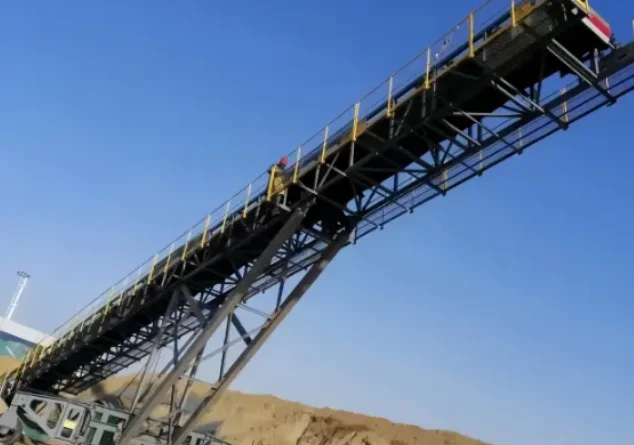
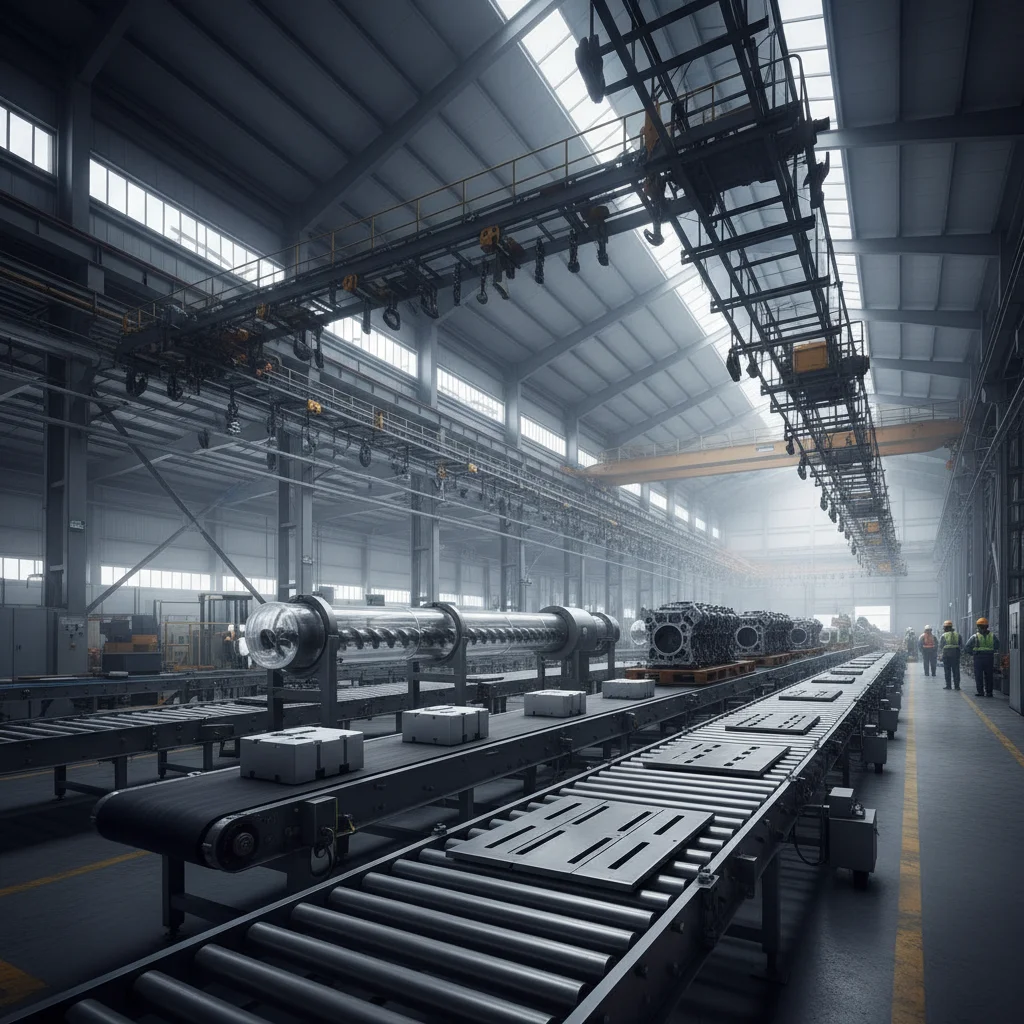
Understanding Belt Conveyor Components: The Backbone of Modern Material Handling
At a glance, belt conveyor components might sound like a niche technical topic — somewhat dry, perhaps. But if you think about it, these elements play a huge role in how industries move mountains of materials every day, literally and figuratively. From mining to manufacturing and even humanitarian logistics, the ability to reliably transport goods at scale hinges on the seamless performance of these parts. Globally, the significance of belt conveyor components is reflected in the fact that conveyor systems handle billions of tons of materials annually, enabling faster production, improved safety, and cost reduction across the board.
Introduction: Why Belt Conveyor Components Matter Globally
Across continents, industries depend on efficient material handling solutions, and belt conveyors are often the unsung heroes behind the scenes. For instance, the International Organization for Standardization (ISO) reports increasing standardization in conveyor technology, facilitating international compatibility and safety. Meanwhile, the World Bank highlights that efficient infrastructure — including conveyor systems — is a core driver of industrial growth and poverty reduction. But anyone who’s managed a conveyor line knows there are challenges: wear and tear, downtime, and energy consumption, to name a few. Behind all this, the individual belt conveyor components are the real workhorses.
What Are Belt Conveyor Components?
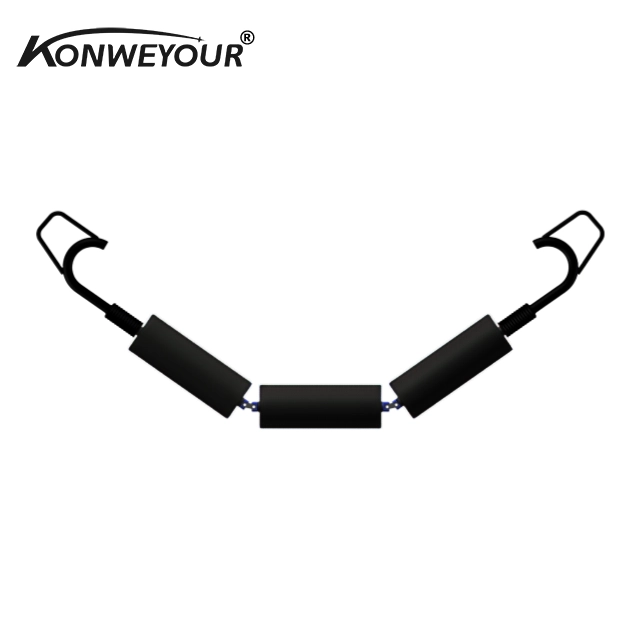
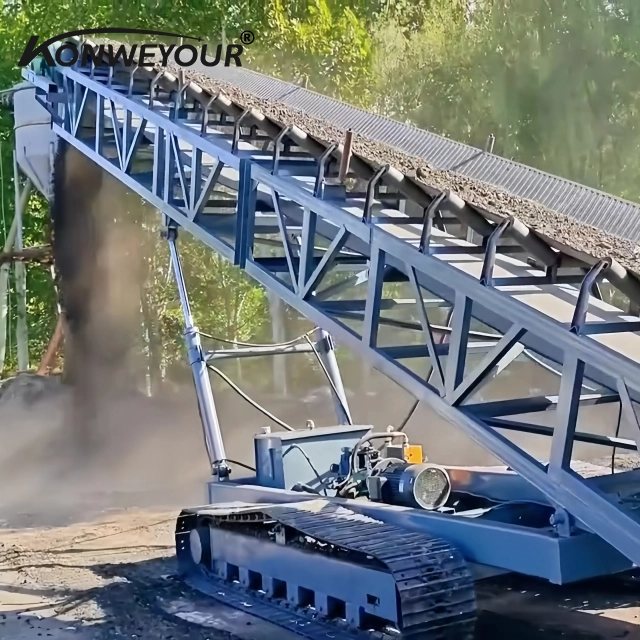
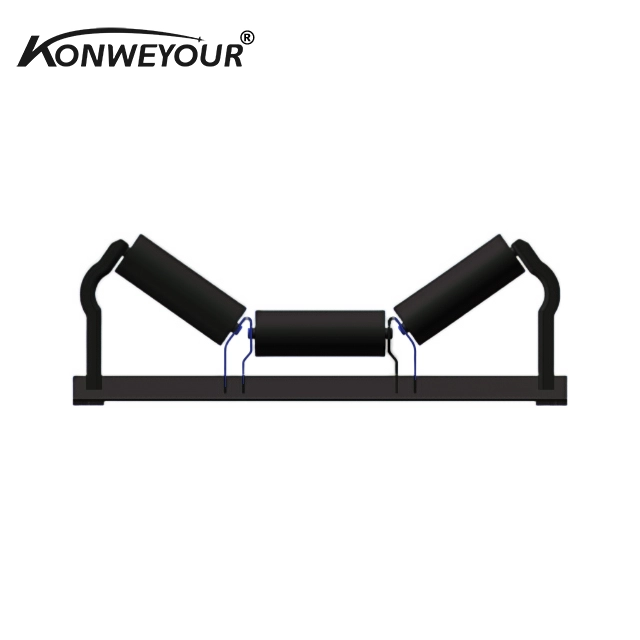
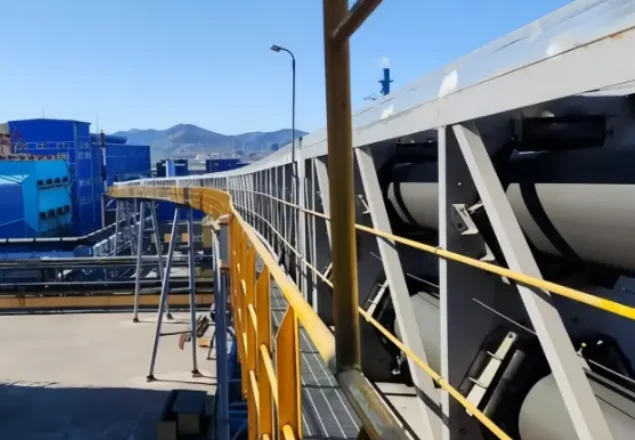
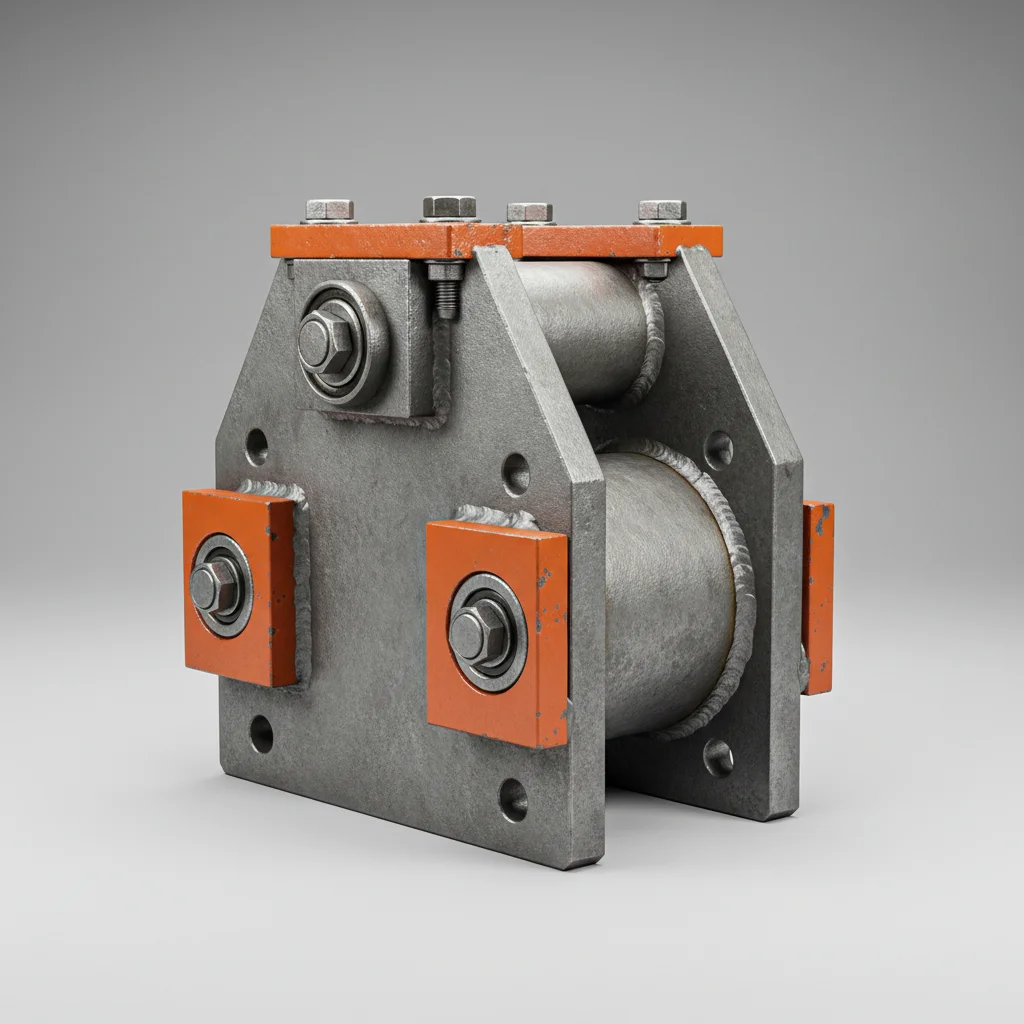
In plain terms, belt conveyor components are the individual parts that make up a conveyor belt system. These include rollers, pulleys, conveyor belts themselves, idlers, frames, and mechanical drives — all working together to transport materials smoothly and continuously. Their importance extends beyond factories: in disaster relief scenarios, for example, they help move bulk supplies quickly to where they’re most needed. Similarly, in remote mining operations, reliable conveyor parts reduce costly interruptions when replacing or repairing equipment is difficult.
Core Components & Key Factors That Define Performance
Durability
Belt conveyor components must endure heavy loads, abrasive materials, and harsh environments. Using high-grade steel rollers or specialized rubber belts can greatly extend service life, minimizing downtime.
Scalability
Modular designs allow systems to grow with demand. Components that adapt to longer belts or heavier loads without complete redesign are favored.
Energy Efficiency
Newer components with low-friction bearings or energy-efficient motors reduce operational costs and carbon footprint, aligning with sustainability goals.
Cost Efficiency
It's always a balance: higher quality parts may cost more initially but often save money over time by lowering maintenance and replacement needs.
Ease of Maintenance
Accessible components and standardized parts simplify repairs, which is crucial in industries where equipment uptime is critical.
Safety
Components designed with protective features and that comply with the latest safety standards help prevent accidents and maintain worker well-being.
Mini Takeaway: The quality and design of belt conveyor components directly impact a system’s durability, cost, scalability, and safety — all critical for efficient operations worldwide.
Global Applications and Real-World Use Cases
From steel mills in Europe to grain processing in North America, well-made conveyor parts optimize operations. Oddly enough, in humanitarian aid logistics, belt conveyors enable rapid sorting and distribution of supplies after natural disasters. For example, organizations operating in Southeast Asia have deployed portable conveyor units comprised of rugged components to speed up relief efforts in flood zones.
In industrial zones across Africa, modular conveyor parts sourced from reliable vendors have helped local businesses scale production without frequent breakdowns. You might be less aware, but even airports depend heavily on these components to move luggage efficiently and safely.
Advantages and Long-Term Value of Investing in Quality Components
- Cost Savings: Reduced downtime and maintenance translate to significant operational savings.
- Sustainability: Energy-efficient parts and longer-lasting materials help lower environmental impact.
- Safety & Trust: Robust components reduce incidents, fostering safer workplaces.
- Social Impact: Reliable conveyors support timely delivery of goods and aid, contributing to community well-being.
- Innovation: Cutting-edge materials and designs pave the way for smart, automated systems.
Product Specifications at a Glance
| Component |
Material |
Typical Load Capacity |
Expected Lifespan |
Maintenance Interval |
| Rollers |
Galvanized Steel |
Up to 500 kg each |
5–7 years |
6 months |
| Conveyor Belts |
Rubber with Nylon/Polyester Cord |
Varies (1500–3000 kg/m width) |
3–5 years |
Monthly inspection |
| Pulleys |
Steel with Rubber Lagging |
Up to 1000 kg |
7–10 years |
12 months |
Vendor Comparison: Choosing the Right Supplier for Belt Conveyor Components
| Vendor |
Product Range |
Customization Options |
Global Shipping |
Support & Warranty |
| ConveyorCo |
Full line |
High |
Yes |
3 years |
| GlobalRollers |
Rollers only |
Medium |
Limited |
2 years |
| BeltSystems Inc. |
Belts & pulleys |
High |
Yes |
5 years |
Future Trends and Innovations in Belt Conveyor Components
The future is quite exciting here. Carbon-fiber reinforced belts are making waves for their lighter weight and resilience, while IoT-enabled sensors embedded in rollers and pulleys give real-time condition monitoring — imagine preventing a breakdown before it happens. Plus, as industries push toward greener operations, components designed for minimal energy consumption and recyclability are gaining traction. Automation integration, too, means conveyors can optimize speeds dynamically based on load demand, reducing wear.
Challenges and Practical Solutions
Despite all progress, challenges linger. Abrasion from abrasive cargo tends to wear belts faster than expected, and unexpected downtime remains costly. However, new synthetic materials and modular component designs ease repairs and replacements. Training for maintenance teams on predictive maintenance techniques also helps — it’s not just about parts, but how you manage them.
FAQ: Frequently Asked Questions About Belt Conveyor Components
- What factors determine the lifespan of belt conveyor components?
- Material quality, operating conditions, maintenance frequency, and load type all influence longevity. Regular inspections and appropriate material choices can extend lifespan significantly.
- How can I ensure my conveyor system is energy efficient?
- Use low-friction rollers, optimize belt speeds, employ energy-efficient motors, and consider IoT monitoring to adjust operations dynamically and reduce wastage.
- Are modular components better than custom-built parts?
- Modular parts offer greater flexibility and ease of replacement, often reducing downtime. Custom parts can be better suited for highly specialized applications but might increase costs and maintenance complexity.
- How do environmental factors affect conveyor system performance?
- Exposure to moisture, dust, extreme temperatures, or chemicals can accelerate wear. Selecting components with appropriate seals, coatings, and materials designed for your environment is crucial.
Conclusion & Call to Action
In real terms, the small details — the rollers, belts, pulleys, and frames — that make up belt conveyor components are foundational to moving industries forward efficiently and sustainably. Investing in quality parts isn’t just about immediate gains but long-term reliability, safety, and innovation. For anyone serious about optimizing their material handling systems, it’s well worth diving deeper, sourcing trusted vendors, and staying abreast of the latest trends.
Curious to upgrade your conveyor system or explore custom belt conveyor components? Visit our website to find out how we can help you keep your operations running smoothly.
It’s fascinating how such “unseen” components quietly power global progress, isn’t it? You get those details right, and the whole chain hums along.
- ISO Standards for Conveyor Systems
- World Bank - Infrastructure and Industrial Growth
- Wikipedia - Conveyor Belt Overview