The Indispensable Role of Modern Mine Conveyors
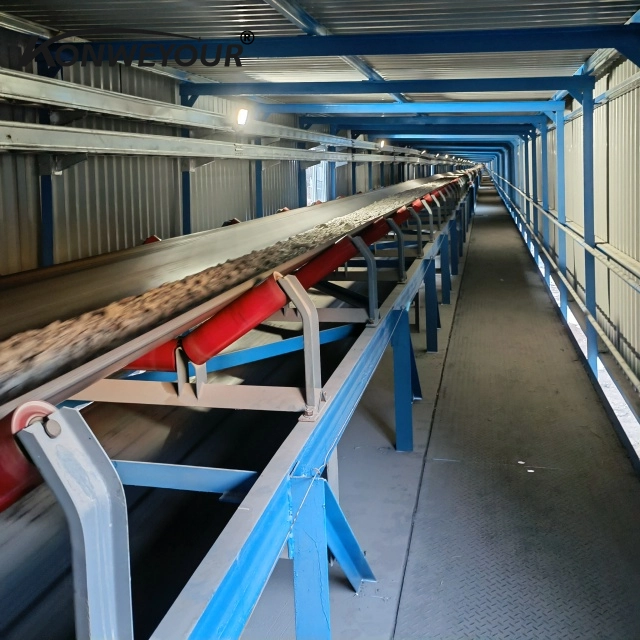
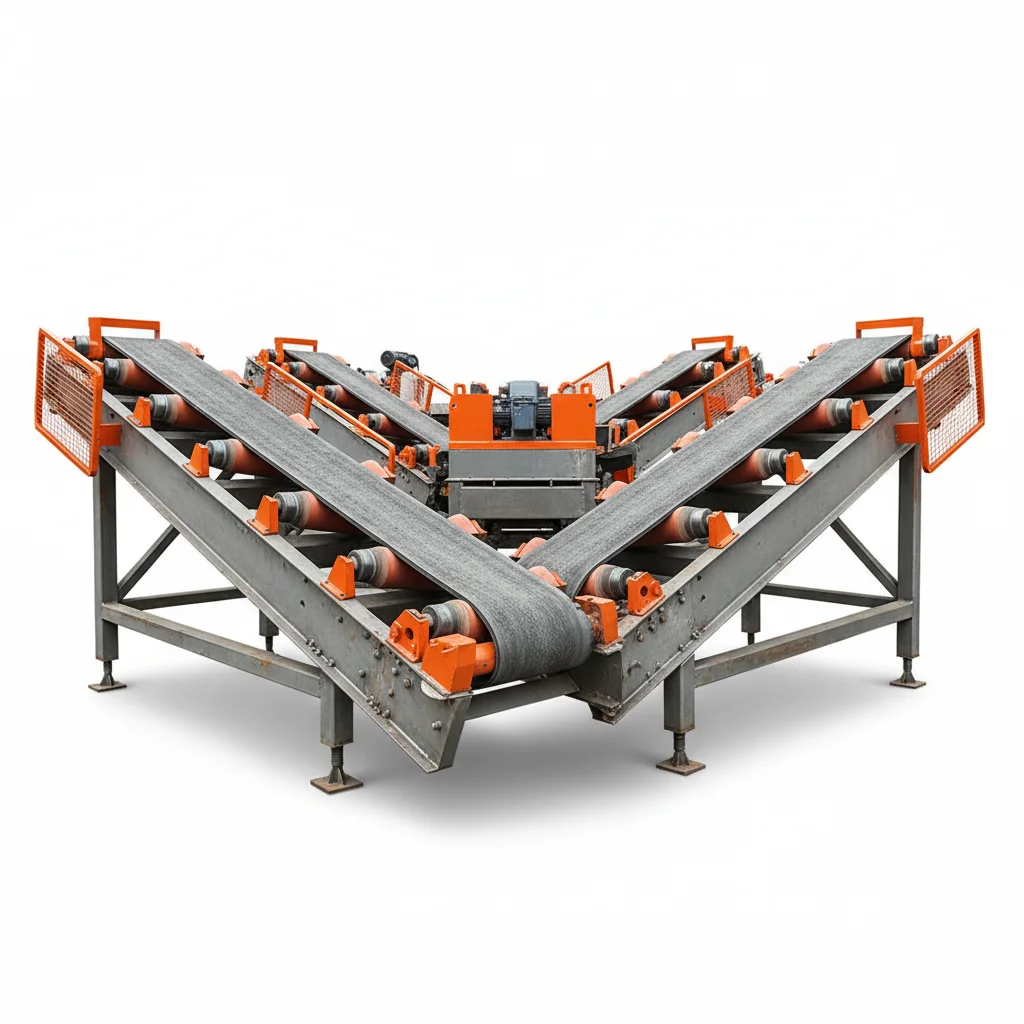
In the relentless pursuit of operational efficiency and safety within the global mining industry, the mine conveyor system stands as an unparalleled workhorse, moving colossal volumes of material with precision and speed. Far beyond simple material transport, contemporary conveyor systems are sophisticated engineering marvels, serving as the literal arteries of modern mining operations, dictating the pace of extraction, processing, and overall profitability. The implications of an optimized conveyor network are staggering; for instance, a recent industry report indicated that upgrading to advanced conveyor technology can reduce energy consumption in bulk material handling by up to 30%, concurrently boosting throughput capacity by 15-20%. Such improvements translate directly into millions of dollars in operational savings annually for large-scale mines. Furthermore, a robust and reliable mine conveyor system is paramount for uninterrupted production, minimizing costly downtime and bottlenecks that can cripple output. As ore grades decline and extraction becomes more challenging, the ability to efficiently transport larger quantities of material over longer distances and more complex terrains becomes increasingly critical. This introductory overview sets the stage for a deeper exploration into the transformative power of modern mine conveyor systems, delving into their technical advantages, bespoke customization options, and the profound impact they have on the economic viability and environmental footprint of mining operations worldwide. We will uncover how innovative design, advanced automation, and meticulous engineering converge to redefine productivity and safety standards across diverse mining landscapes.
Unpacking the Technical Edge: Efficiency and Automation
The core of a high-performing mine conveyor system lies in its sophisticated technical architecture, meticulously engineered for peak efficiency and seamless automation. Modern systems leverage advanced drive technologies, such as direct drive motors and Variable Frequency Drives (VFDs), which offer unparalleled control over belt speed and tension. This precision control not only optimizes material flow but also significantly reduces energy consumption by matching power output directly to load requirements, avoiding the substantial energy losses associated with traditional gearboxes and fixed-speed motors. For example, a mine adopting VFD-controlled conveyors can observe up to a 25% reduction in peak power demand, leading to substantial savings on electricity bills and a smaller carbon footprint. Beyond mechanical efficiency, integrated automation systems are revolutionizing conveyor operations. Programmable Logic Controllers (PLCs) and Distributed Control Systems (DCS) enable real-time monitoring of critical parameters such as belt speed, material volume, tension, and motor diagnostics. This data is fed into sophisticated algorithms that can dynamically adjust operating parameters, preventing overloading, optimizing start-stop sequences, and even predicting potential component failures. Predictive maintenance, powered by sensors and Artificial Intelligence (AI) analytics, has become a game-changer, allowing maintenance teams to address issues proactively before they escalate into costly breakdowns. For instance, thermal sensors can detect overheating idlers or bearings, while acoustic sensors can identify abnormal noises indicating wear. This level of automation significantly reduces unscheduled downtime, extending the operational life of components and ensuring a consistent material flow. Furthermore, integrated communication protocols allow conveyor systems to communicate seamlessly with other plant equipment, such as crushers, screens, and stackers, creating a synchronized and highly efficient material handling ecosystem that minimizes manual intervention and maximizes overall productivity.
Engineering for Resilience and Safety
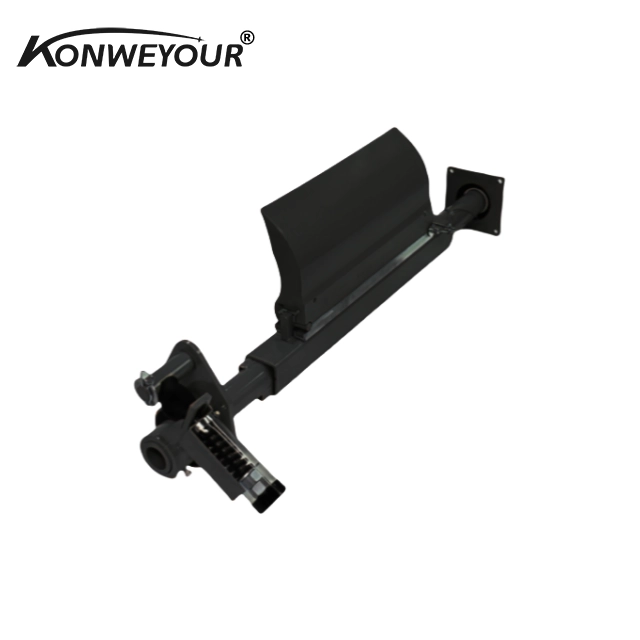
Beyond raw efficiency, the engineering prowess of contemporary mine conveyor systems is profoundly evident in their robust construction, designed to withstand the harshest operating conditions while prioritizing personnel safety. The choice of materials for conveyor belts is critical; advancements in synthetic fabrics, rubber compounds, and steel cord reinforcement have led to belts with exceptional tensile strength, abrasion resistance, and rip protection. Specialized belts are engineered for specific applications, such as heat-resistant belts for hot clinker, oil-resistant belts for mineral processing, or high-impact belts for primary crushing areas. Similarly, idlers, rollers, and frames are constructed from heavy-duty steel, often galvanized or coated for corrosion resistance, ensuring longevity in aggressive environments laden with dust, moisture, and corrosive agents. Modular design principles further enhance resilience and ease of maintenance. Components like idler frames, belt cleaners, and skirt boards are often designed for quick replacement, minimizing the time required for servicing and repairs. This modularity also allows for easier expansion or reconfiguration of the conveyor system as mining operations evolve. Safety, however, remains paramount. Modern conveyor systems are equipped with a comprehensive suite of safety features designed to protect personnel and prevent catastrophic failures. These include emergency stop pull cords along the entire length of the conveyor, belt misalignment switches that automatically shut down the system if the belt deviates, and zero-speed switches that detect belt stoppage. Fire detection and suppression systems, often integrated with the conveyor control network, provide crucial protection in combustible environments. Advanced proximity sensors and personnel detection systems can identify workers near the conveyor, automatically slowing or stopping the belt to prevent accidents. These safety innovations, combined with rigorous engineering standards and ongoing maintenance protocols, create a safer working environment, significantly reducing the risk of injuries and ensuring compliance with stringent regulatory requirements. The meticulous attention to both material science and safety protocols underscores the commitment of modern conveyor manufacturers to delivering reliable and secure material handling solutions.
Strategic Choices: A Manufacturer's Landscape
Selecting the right mine conveyor system involves a critical evaluation of various manufacturers, each offering distinct technologies, service models, and cost structures. The decision extends beyond mere price, encompassing long-term operational efficiency, reliability, and support. A strategic comparison requires analyzing key performance indicators and understanding how different approaches impact total cost of ownership (TCO). For example, a system with a lower upfront cost but higher energy consumption and maintenance needs might prove more expensive over its lifespan than a higher initial investment in a more efficient, durable solution. The table below illustrates a hypothetical comparison between leading conveyor system manufacturers, highlighting essential metrics that drive purchasing decisions:
Feature/Metric | Manufacturer A (High-Efficiency Specialist) | Manufacturer B (Cost-Effective & Robust) | Manufacturer C (Advanced Automation Leader) |
Typical Throughput Capacity | Up to 10,000 tons/hour | Up to 8,000 tons/hour | Up to 9,500 tons/hour |
Energy Consumption (kWh/ton) | 0.18 - 0.25 (VFDs standard) | 0.25 - 0.32 (Fixed speed common) | 0.19 - 0.26 (AI-optimized VFDs) |
Service Life (Belt & Components) | 10-15 years | 8-12 years | 12-16 years |
Initial Investment Cost | High | Medium | High |
Maintenance Requirements | Low (Predictive Maintenance focus) | Medium (Scheduled Maintenance focus) | Very Low (Self-diagnosing, minimal intervention) |
Automation & Control Level | Advanced (PLC, SCADA, IoT) | Basic to Medium (Standard controls) | Cutting-Edge (AI, Machine Learning, Robotics) |
After-Sales Support & Spares | Excellent (Global network, rapid response) | Good (Regional presence) | Superior (Proactive remote monitoring) |
Manufacturer A focuses on maximizing operational efficiency through advanced drive systems and energy recovery, making them ideal for operations with high energy costs. Their focus on predictive maintenance minimizes downtime, but their initial investment is higher. Manufacturer B provides a more cost-effective entry point with robust, reliable systems suitable for mines prioritizing durability and straightforward operation, albeit with potentially higher long-term energy and maintenance costs. Manufacturer C represents the pinnacle of technological integration, leveraging AI and machine learning for unparalleled automation and ultra-low maintenance, offering the highest long-term efficiency and lowest operational risk, but with a significant initial capital outlay. The optimal choice ultimately depends on the specific mine's operational scale, budget constraints, desired level of automation, geographical location, and strategic priorities regarding sustainability and long-term cost savings. Thorough due diligence, including site visits, reference checks, and detailed financial modeling, is indispensable for making an informed decision that aligns with the mine's overall objectives.
Tailoring Solutions: Customization for Unique Mining Demands
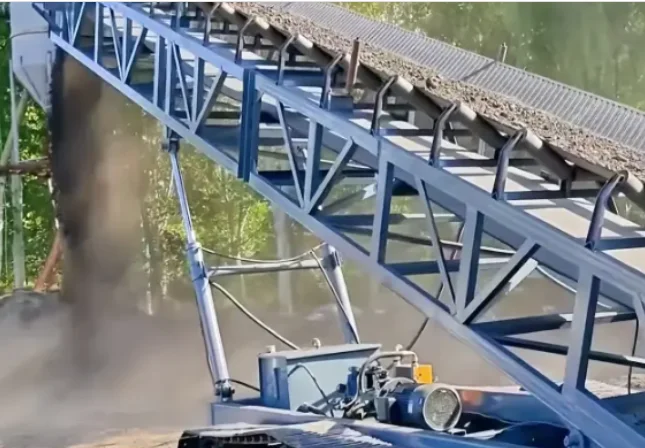
The inherent diversity of mining operations – from the type of ore extracted to the geographical terrain and climatic conditions – necessitates highly customized mine conveyor solutions. A one-size-fits-all approach is simply inadequate for achieving optimal performance, safety, and cost-effectiveness. Consequently, leading manufacturers offer extensive customization options, meticulously tailoring every aspect of the conveyor system to the specific demands of a mine site. This customization begins with the material itself: whether it's abrasive hard rock, sticky clay, corrosive minerals, or lightweight coal, the belt material, idler types, and skirt designs must be precisely matched to handle the material's characteristics without excessive wear or spillage. For example, high-tensile steel cord belts are vital for transporting heavy, sharp-edged ore, while specialized rubber compounds might be used for coal to prevent static build-up and improve flame resistance. Terrain adaptability is another critical customization area. Mines often feature undulating landscapes, steep inclines, sharp curves, or extremely long distances. Conveyor systems can be designed with specialized curve sections, high-angle belts, or multiple transfer points to navigate complex topographies, often eliminating the need for expensive and environmentally impactful road infrastructure and truck fleets. In underground mines, compact designs, fire-resistant components, and explosion-proof electrical systems are non-negotiable. Environmental factors also play a significant role. In dusty open-pit mines, advanced dust suppression systems (e.g., water sprays, fogging systems, dust extraction hoods) are integrated to protect worker health and comply with environmental regulations. In regions with extreme temperatures, specialized lubricants, heat-resistant components, or cold-weather-rated materials are essential to ensure reliable operation. Furthermore, capacity scaling is a key customization aspect. Conveyor systems can be engineered to handle anything from a few hundred tons per hour for smaller operations to tens of thousands of tons per hour for large-scale mega-mines, with the ability to easily upgrade or expand capacity as production demands increase. Finally, integration with existing plant infrastructure and control systems is paramount for seamless operation. This involves designing the conveyor system to fit within existing footprints, connecting to legacy control networks, and ensuring data compatibility for unified operational oversight. This bespoke engineering approach guarantees that each mine receives a system perfectly aligned with its unique operational challenges and strategic objectives, maximizing efficiency and return on investment.
Real-World Implementation: Case Studies in Motion
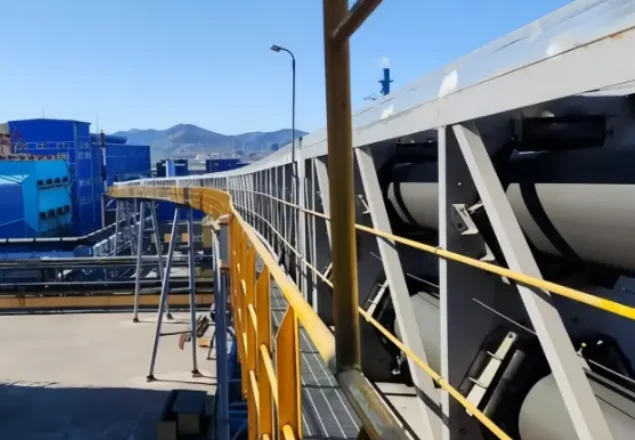
The profound impact of advanced mine conveyor systems is best illustrated through real-world applications where they have fundamentally transformed operational paradigms. Consider the case of an underground iron ore mine in Western Australia. Faced with escalating truck haulage costs and ventilation challenges at increasing depths, the mine transitioned to a fully automated long-distance underground conveyor system spanning 15 kilometers, replacing a fleet of 50 haul trucks. The result was a 40% reduction in operational costs, primarily driven by lower fuel consumption and reduced labor requirements. Furthermore, carbon emissions dropped by an estimated 70%, significantly improving the mine's environmental footprint. The conveyor’s continuous operation also boosted overall production throughput by 25%, demonstrating its transformative economic and environmental benefits. Another compelling example comes from an open-pit copper mine in Chile, operating in a high-altitude, seismically active region. Traditional truck haulage struggled with steep grades and intense dust generation. Implementing a series of high-angle overland conveyors, some with inclinations exceeding 30 degrees, allowed the mine to move over 8,000 tons per hour of copper ore directly from the pit to the processing plant. This eliminated the need for complex, expensive haul roads and drastically reduced vehicle emissions and traffic congestion within the pit. The conveyor system, designed with advanced seismic dampening and modular components for rapid repair, proved highly resilient to the challenging environment, maintaining consistent material flow even under harsh conditions. A third illustration involves a coal mining operation in a remote, environmentally sensitive area of Indonesia. Here, the challenge was to transport coal over diverse topography, including river crossings and protected forest areas, while minimizing environmental disruption. A pipe conveyor system was chosen, an innovative solution where the belt forms a pipe shape, fully enclosing the material. This design virtually eliminated spillage and dust emissions, protecting local ecosystems. The enclosed nature also allowed for tighter curve radii and steeper inclines, reducing the conveyor’s physical footprint. The project achieved a 99.5% operational availability, showcasing the system's reliability and its ability to meet stringent environmental compliance standards. These cases underscore that modern mine conveyor systems are not merely components but strategic assets capable of delivering immense value through enhanced efficiency, reduced costs, improved safety, and environmental stewardship across the spectrum of mining operations.
The Future Trajectory of Mine Conveyor Technology
The journey of the mine conveyor system, from its rudimentary origins to its current state of sophisticated engineering, is a testament to continuous innovation in the mining sector. As global demand for minerals continues to grow amidst increasing operational complexities and environmental scrutiny, the strategic importance of advanced conveyor technology will only intensify. The future trajectory of mine conveyor systems points towards even greater levels of automation, intelligence, and sustainability. We can anticipate the widespread integration of Artificial Intelligence and Machine Learning algorithms for hyper-optimized operational control, predictive anomaly detection, and self-correcting mechanisms, pushing uptime towards theoretical maximums. Advanced material science will yield conveyor belts with unprecedented strength, durability, and resistance to wear, capable of handling even more abrasive materials over longer distances and steeper inclines with minimal maintenance. Energy efficiency will remain a primary driver, with innovations like regenerative braking on downhill conveyors converting potential energy back into electricity for the grid, and advanced motor technologies pushing efficiencies beyond 97%. Furthermore, the development of fully autonomous conveyor networks, perhaps integrated with robotic inspection systems and drones, will minimize human exposure to hazardous environments, fundamentally enhancing safety protocols. The emphasis on environmental stewardship will also grow, leading to systems with enhanced dust and noise suppression, reduced energy consumption, and components designed for full recyclability at end-of-life. Ultimately, the modern mine conveyor is not just a piece of equipment; it is a critical, evolving technology that underpins the productivity, safety, and environmental responsibility of the mining industry. Its future will be defined by a relentless pursuit of efficiency, reliability, and intelligence, ensuring it remains an indispensable asset in the responsible extraction of the resources vital to our world.
Frequently Asked Questions (FAQ) about Mine Conveyors
Q1: What is a mine conveyor system?
A: A mine conveyor system is a mechanical handling equipment used to transport bulk materials like ore, coal, aggregates, or overburden within a mining operation. It typically consists of a continuous belt, idlers, rollers, drive units, and a supporting structure, designed for efficient and continuous material movement over various distances and terrains.
Q2: What are the primary advantages of using conveyors in mining over truck haulage?
A: Conveyors offer several advantages, including significantly lower operational costs (reduced fuel, labor, and maintenance compared to trucks), higher energy efficiency, continuous and consistent material flow, reduced carbon emissions, minimal dust and noise pollution, and the ability to handle steep inclines and complex terrains more effectively.
Q3: What types of conveyor belts are commonly used in mining?
A: Common types include textile ply belts (for general purpose), steel cord belts (for high-tension, long-distance applications), pipe conveyors (for enclosed, spill-free transport), sidewall conveyors (for steep angles), and specialized belts designed for heat, oil, or abrasion resistance depending on the material and environment.
Q4: How do modern mine conveyors contribute to safety in mining operations?
A: Modern conveyors integrate numerous safety features such as emergency stop systems, belt misalignment switches, pull cords, sequence interlocks, fire detection and suppression, zero-speed switches, and personnel detection systems. These features minimize human interaction with moving parts and reduce the risk of accidents or catastrophic failures.
Q5: Can mine conveyor systems be customized for specific mine conditions?
A: Absolutely. Conveyor systems are highly customizable. Factors such as material type (abrasive, sticky, corrosive), terrain (steep inclines, curves, underground), environmental conditions (extreme temperatures, dust control), and required throughput capacity are all considered to design a bespoke solution for optimal performance and efficiency.
Q6: What role does automation play in modern mine conveyor systems?
A: Automation is crucial. It involves using PLCs, DCS, VFDs, and sensors for real-time monitoring, dynamic speed adjustment, predictive maintenance, and seamless integration with other plant equipment. This reduces manual intervention, optimizes material flow, minimizes downtime, and enhances overall operational intelligence.
Q7: What is the typical lifespan and maintenance requirement for a mine conveyor system?
A: A well-designed and maintained mine conveyor system can have a service life of 10 to 20 years or more, with belts and idlers being the primary wear components. Modern systems emphasize predictive maintenance using sensors and data analytics to identify potential issues before failure, significantly reducing unscheduled downtime and extending component life.