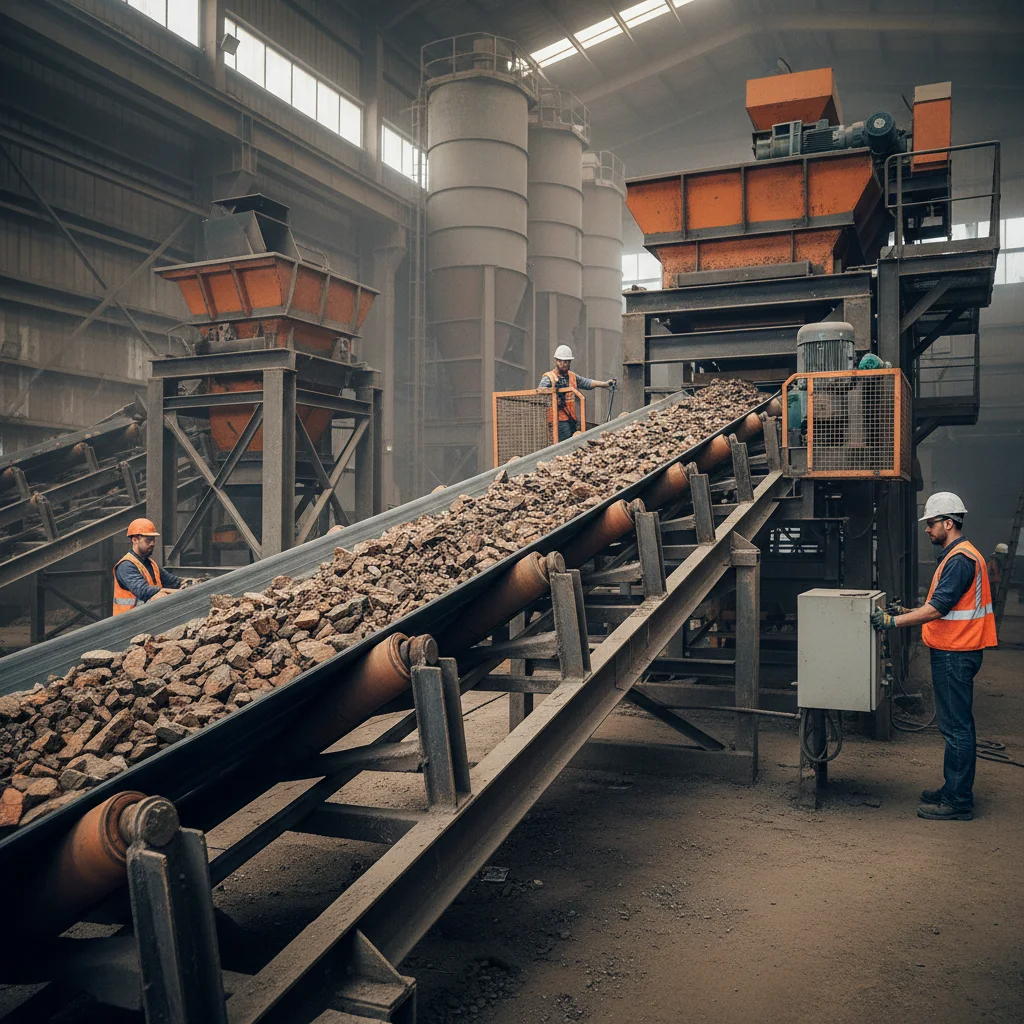
Understanding Conveyor Roller Brackets: A Comprehensive Guide
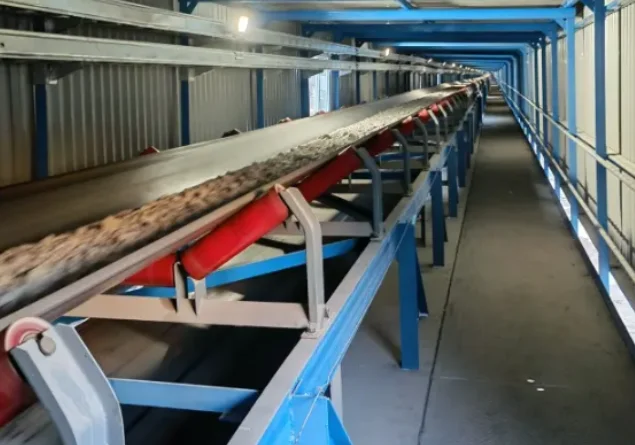
Conveyor systems are the backbone of many industries, streamlining material handling and boosting efficiency. But a crucial, often overlooked component ensures smooth operation: the conveyor roller bracket. These brackets securely hold the rollers that support the conveyor belt, and choosing the right type is essential for system performance and longevity. This article dives deep into the world of conveyor roller brackets, covering types, materials, considerations for selection, and how JT Conveyor can provide solutions tailored to your needs. Selecting the correct bracket ensures your conveyor system operates reliably and efficiently.
Types of Conveyor Roller Brackets
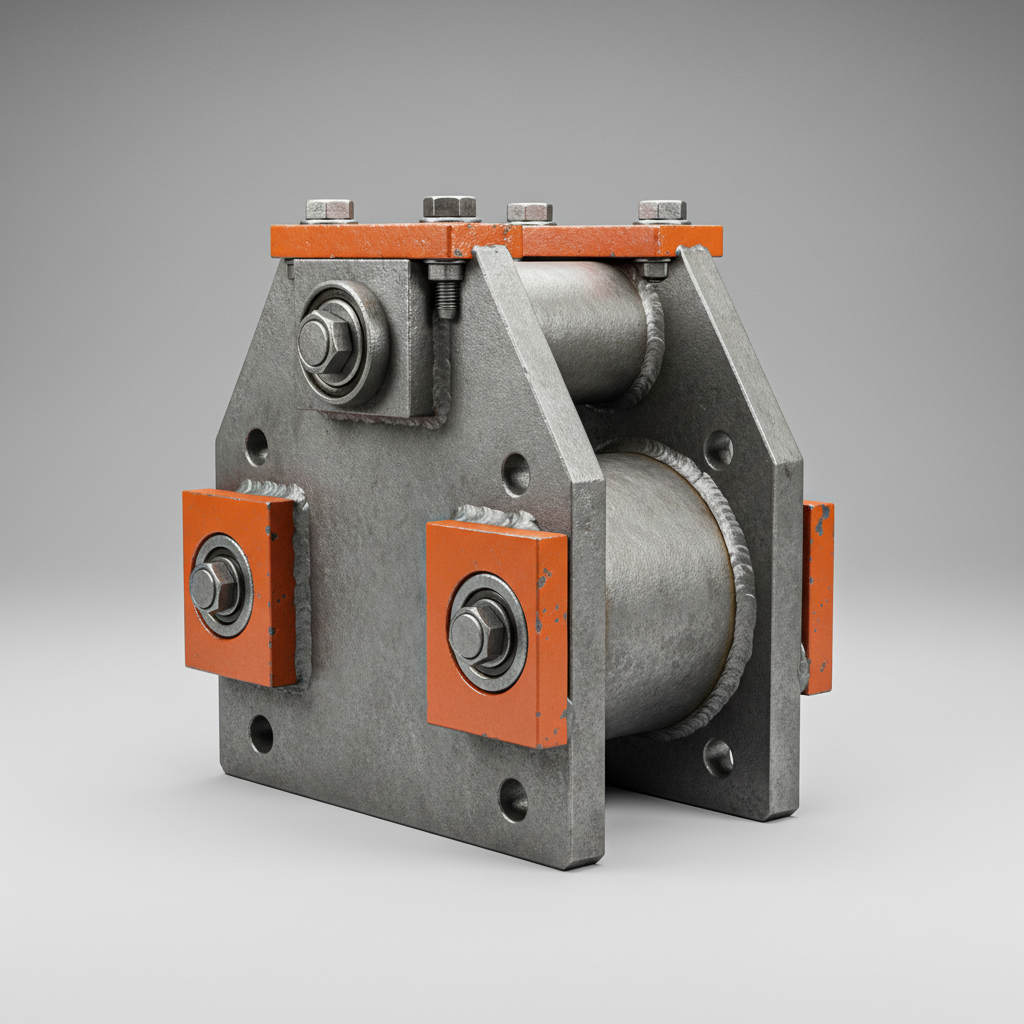
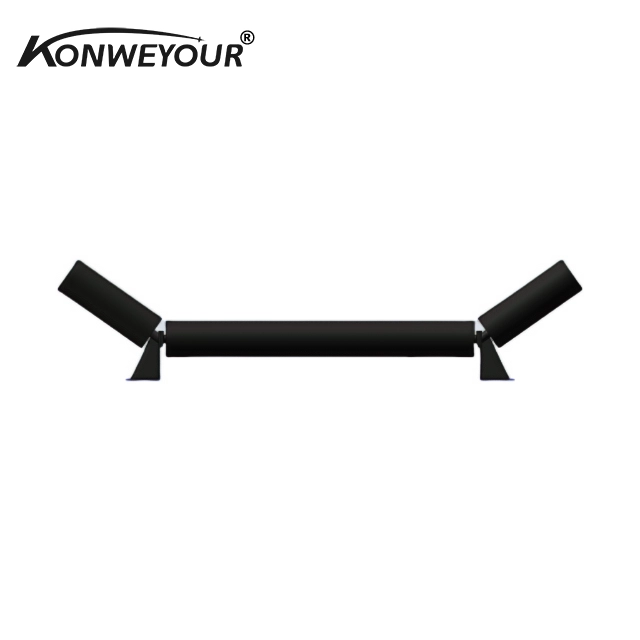
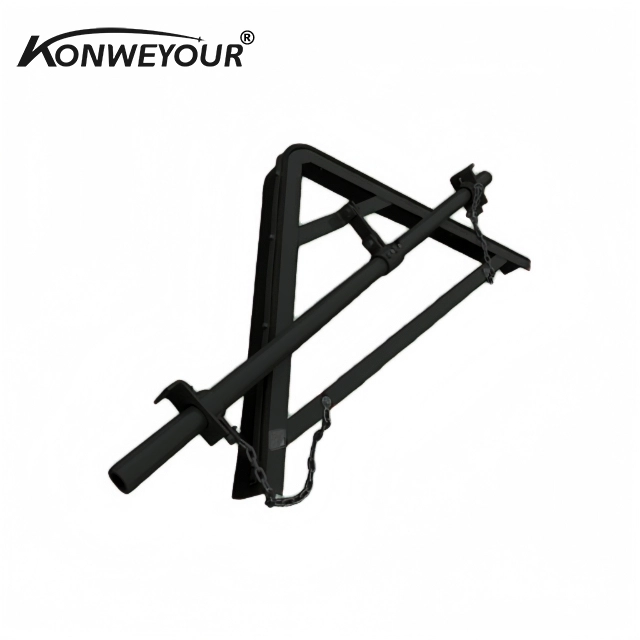
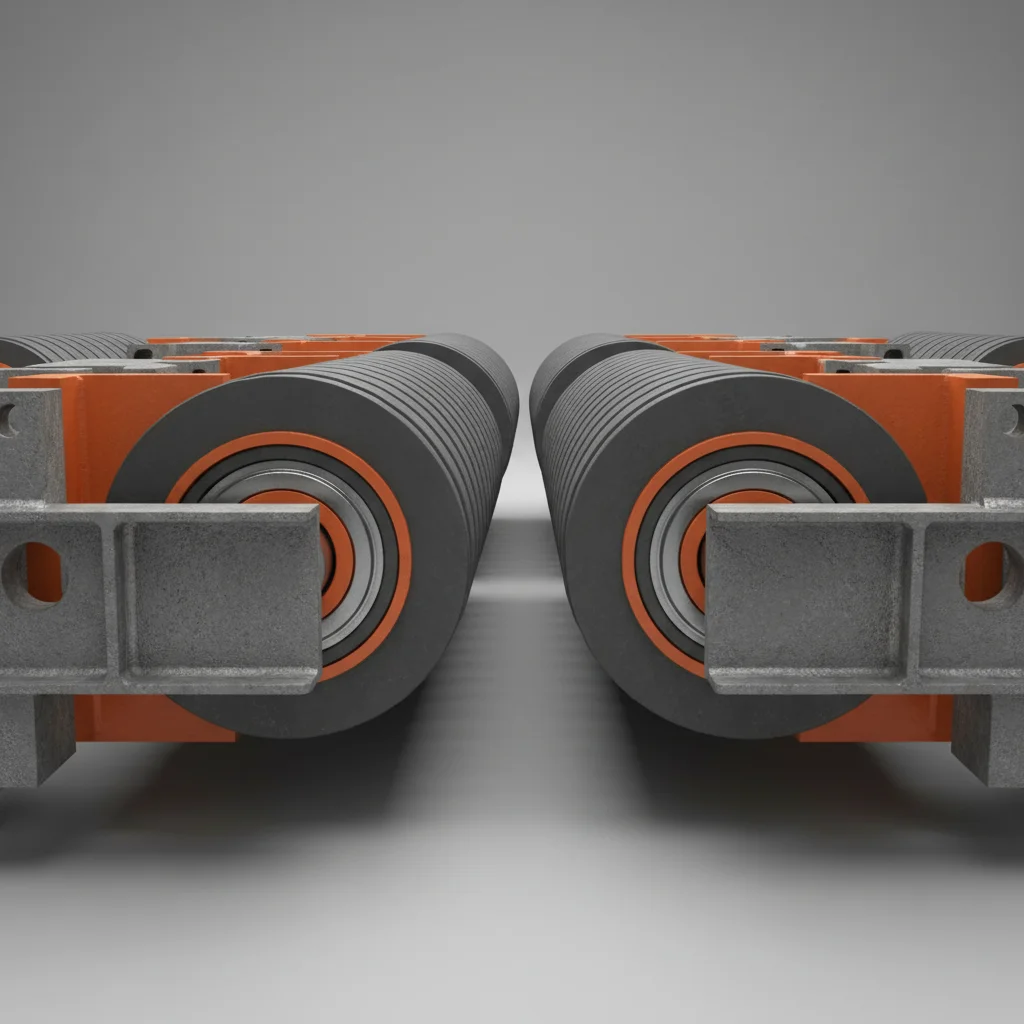
Conveyor roller brackets aren't one-size-fits-all. They come in various designs, each suited to different applications. Common types include: End Brackets, which support the ends of the rollers; Center Brackets, providing mid-roller support for heavier loads; and Adjustable Brackets, allowing for height or angle adjustments during installation or maintenance. Furthermore, brackets can be categorized based on the mounting style – flanged, welded, or bolted. The choice depends on factors like conveyor load capacity, belt width, and the surrounding environment. Understanding these distinctions is the first step toward selecting the optimal bracket for your system.
Material Considerations for Conveyor Roller Brackets
The material of your conveyor roller bracket significantly impacts its durability and resistance to wear and tear. Common materials include: Steel (carbon steel, stainless steel), offering high strength and load capacity; Aluminum, providing a lightweight yet sturdy option, often used in food processing or corrosive environments; and Plastic (nylon, polypropylene), ideal for applications where corrosion resistance and noise reduction are critical. Stainless steel is generally preferred for harsh environments or food-grade applications due to its excellent corrosion resistance. Choosing the right material ensures the bracket can withstand the stresses of your specific application.
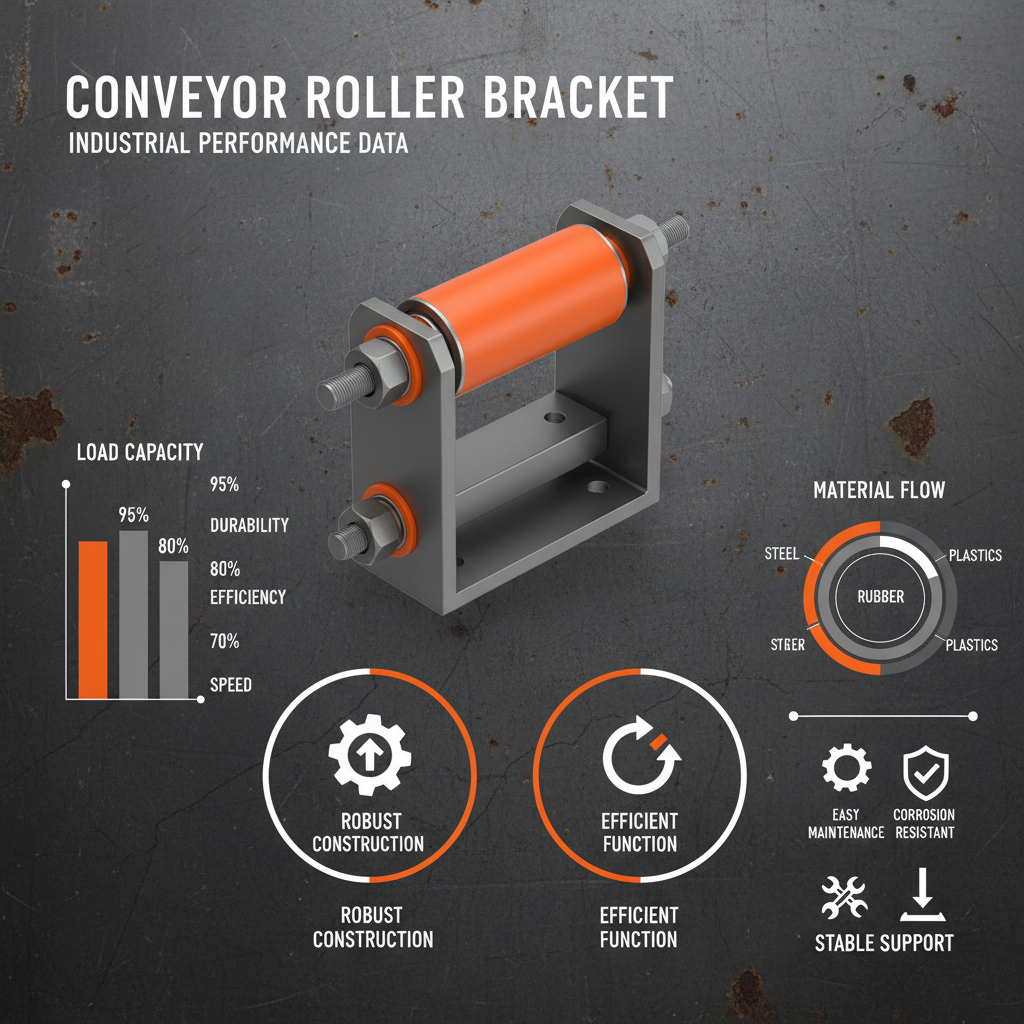
Selecting the correct conveyor roller bracket requires careful consideration of several key factors. These include: Load Capacity - ensuring the bracket can handle the weight of the belt and conveyed materials; Roller Diameter - matching the bracket size to the roller diameter for a secure fit; Conveyor Speed - higher speeds may require more robust brackets to minimize vibration; Environmental Conditions - considering factors like temperature, humidity, and exposure to chemicals; and Mounting Requirements – determining the appropriate bracket type based on the conveyor frame and installation method. A thorough assessment of these factors will lead to a more reliable and efficient conveyor system.
Key Considerations: Properly assess load capacity, roller diameter, conveyor speed, environmental conditions, and mounting requirements to ensure optimal performance and longevity.
Comparing Bracket Materials: A Detailed Look
Different materials offer varying levels of performance and cost. Here's a comparison table to help you choose:
| Material |
Strength |
Corrosion Resistance |
Cost |
| Steel (Carbon) |
High |
Low (requires coating) |
Low |
| Steel (Stainless) |
High |
Excellent |
Medium-High |
| Aluminum |
Medium |
Good |
Medium |
| Plastic (Nylon) |
Low-Medium |
Excellent |
Low |
Why Choose JT Conveyor for Your Bracket Needs?
At JT Conveyor, we understand the critical role these components play in the overall efficiency of your system. We offer a comprehensive range of high-quality conveyor roller brackets, manufactured to exacting standards. Our experienced team can help you select the right bracket for your specific application, ensuring optimal performance and longevity. We pride ourselves on providing exceptional customer service and fast turnaround times.
Ensuring Long-Term Reliability: Maintenance and Inspection
Even the highest-quality conveyor roller brackets require regular maintenance and inspection to ensure long-term reliability. Periodically check for signs of wear, corrosion, or damage. Tighten any loose bolts or fasteners. Lubricate moving parts as needed. Replace brackets that show significant wear or damage promptly. Proactive maintenance can prevent costly downtime and extend the life of your conveyor system. JT Conveyor offers expert advice on conveyor system maintenance and can provide replacement parts as needed.
Conclusion: Investing in Quality Conveyor Roller Brackets
Choosing the right conveyor roller bracket is a crucial investment in the efficiency and longevity of your material handling system. By understanding the different types, materials, and selection criteria, you can ensure optimal performance and minimize downtime. JT Conveyor is your trusted partner for high-quality brackets and expert support.
Frequently Asked Questions (FAQs)
What is the typical lifespan of a conveyor roller bracket?
The lifespan of a conveyor roller bracket depends heavily on factors like the load it carries, the operating environment, and the frequency of maintenance. Generally, a well-maintained steel bracket can last 10-15 years or longer. Aluminum and plastic brackets may have a shorter lifespan, particularly in harsh environments. Regular inspections and prompt replacement of worn or damaged brackets are crucial for preventing unexpected downtime. Consider the specific application and material when estimating lifespan.
How do I determine the correct load capacity for a bracket?
Determining the correct load capacity involves calculating the total weight the bracket will support – this includes the weight of the conveyed materials, the belt, and any associated components. It’s essential to factor in a safety margin of at least 25-50% to account for dynamic loads and potential overloads. Consult with a conveyor system specialist or JT Conveyor’s team to accurately assess your load requirements and select a bracket with sufficient capacity.
Can conveyor roller brackets be custom-designed?
Yes, JT Conveyor offers custom bracket design and fabrication services. We can create brackets tailored to your specific conveyor system requirements, including unique dimensions, mounting configurations, and material specifications. This ensures a perfect fit and optimal performance, especially for non-standard applications.
What are the benefits of using stainless steel brackets?
Stainless steel brackets offer exceptional corrosion resistance, making them ideal for use in wet, corrosive, or sanitary environments. They are also very strong and durable, providing long-lasting performance. While generally more expensive than carbon steel, the reduced maintenance costs and extended lifespan often make stainless steel a cost-effective choice in the long run, particularly in food processing, pharmaceutical, and chemical industries.