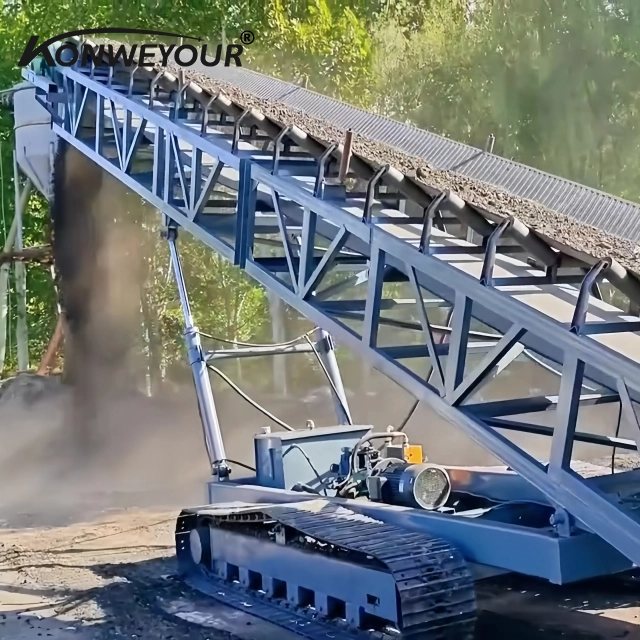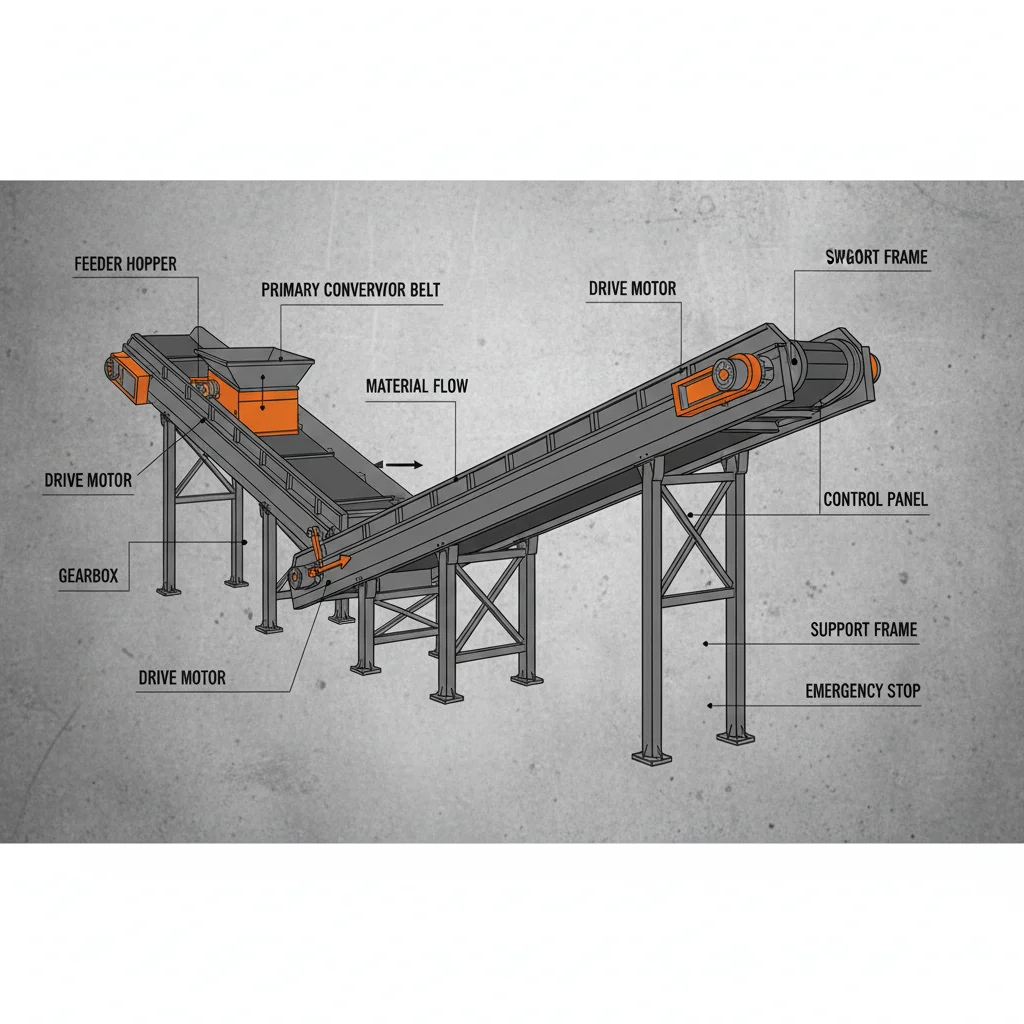
Continuous conveyor systems are the backbone of modern material handling, integral to industries ranging from mining and agriculture to manufacturing and logistics. These systems aren't simply about moving materials; they represent efficiency, cost reduction, and increased productivity. Understanding the different main types of conveyor is crucial for optimizing processes and selecting the right solution for specific needs.
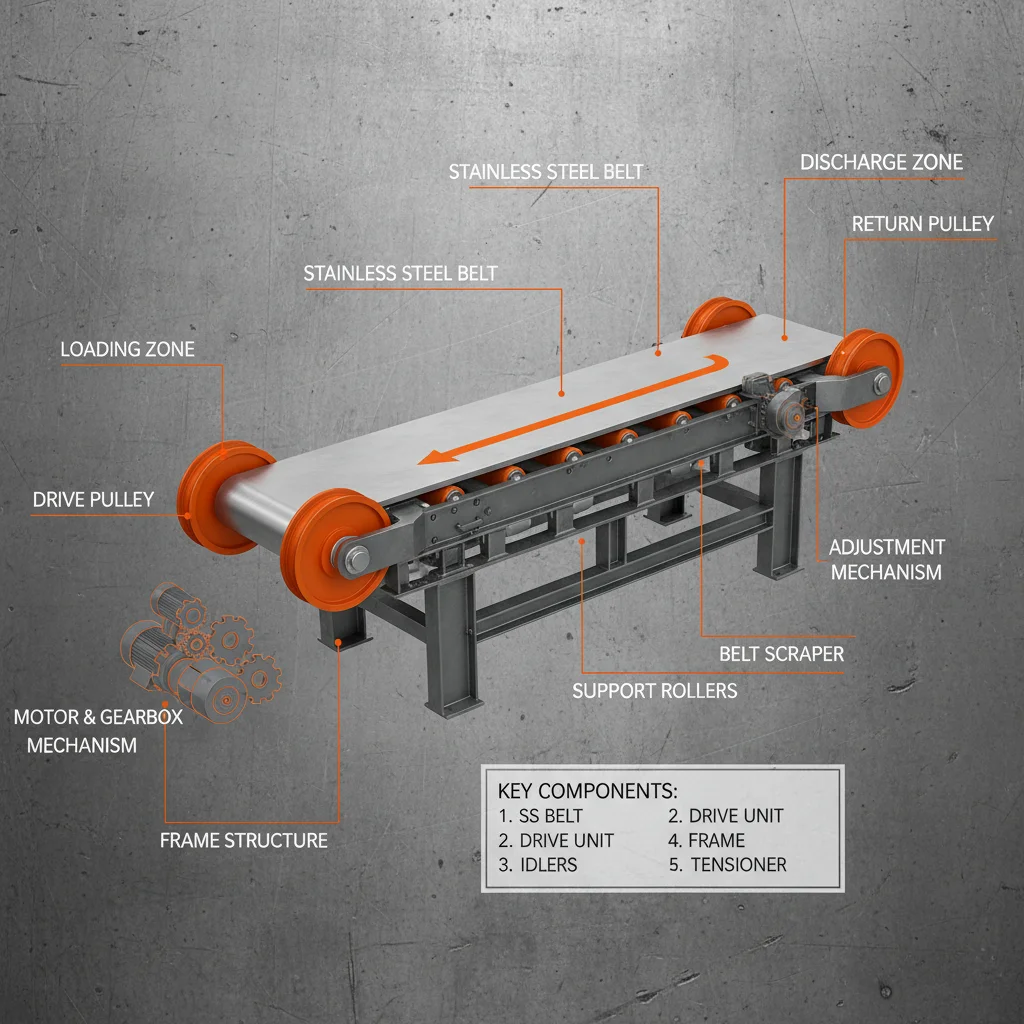
The ss belt conveyor is a cornerstone of modern material handling, playing a critical role in industries ranging from food processing and pharmaceuticals to logistics and manufacturing. Its ability to efficiently and hygienically transport products makes it an indispensable component of countless supply chains globally. Understanding the nuances of ss belt conveyor systems—their design, application, and maintenance—is crucial for optimizing operational efficiency and minimizing downtime in today’s fast-paced industrial environment. The global demand for efficient material handling solutions is continuously growing, driven by factors like e-commerce expansion, increased automation, and the need for improved hygiene standards, especially in sensitive industries. This has placed a significant spotlight on ss belt conveyor systems, known for their durability, ease of cleaning, and adaptability. According to industry reports, the conveyor systems market is projected to reach substantial growth figures in the coming years, making it a vital area of innovation and investment.
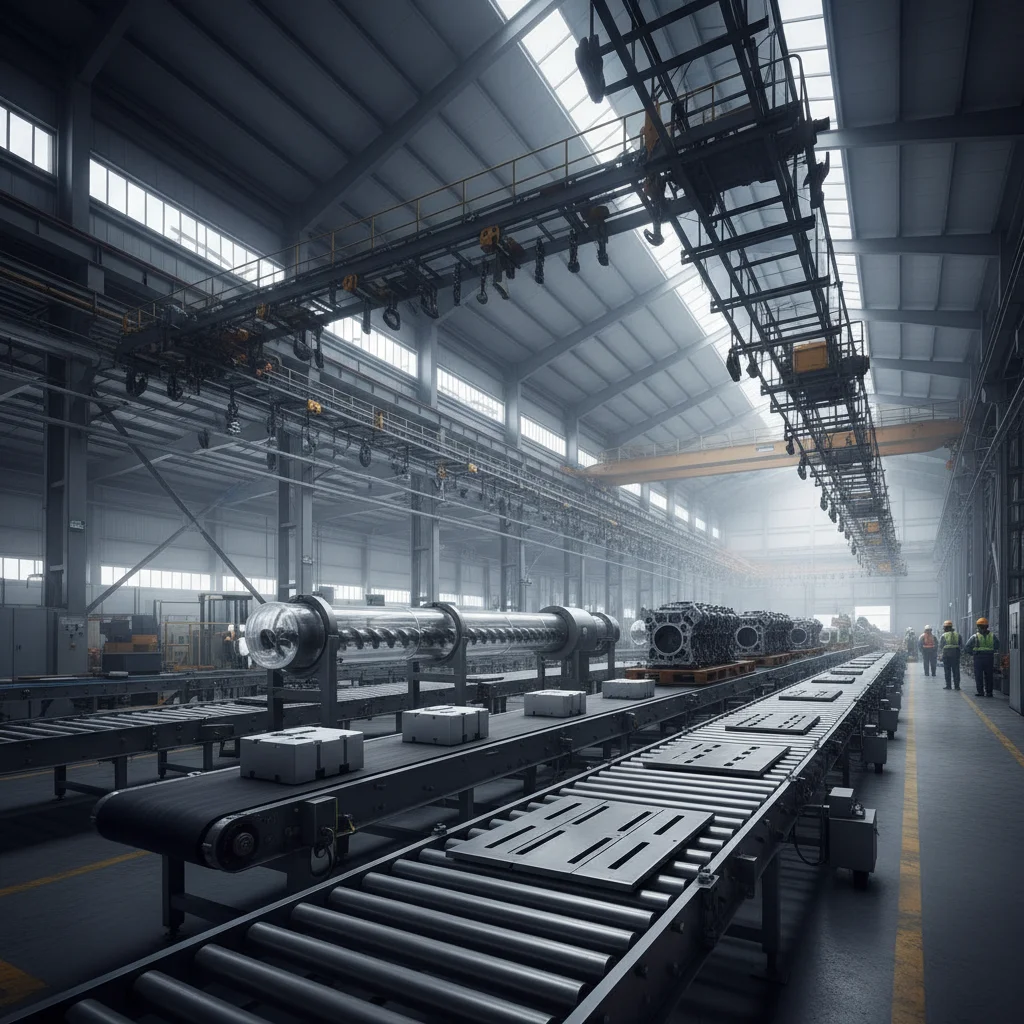
Factory conveyors are the unsung heroes of modern manufacturing and logistics, silently but powerfully driving efficiency and productivity across countless industries. From automotive assembly lines to intricate e-commerce fulfillment centers, these systems transport materials, products, and components with remarkable speed and precision. Understanding the nuances of factory conveyors—their types, applications, and future trends—is crucial for businesses seeking to optimize their operations and maintain a competitive edge in today’s global market. The increasing demand for faster, more reliable, and more sustainable material handling solutions is fueling innovation within the factory conveyor landscape. Globally, the market for factory conveyors is experiencing significant growth, driven by the expansion of manufacturing in emerging economies and the increasing adoption of automation technologies. According to a report by Global Market Insights, the industrial conveyor systems market was valued at over USD 15 billion in 2022 and is projected to grow at a CAGR of around 7% between 2023 and 2032. This growth reflects a broader trend towards optimized supply chains and enhanced operational efficiency, both of which rely heavily on effective material handling systems.
Look, conveyor belt system manufacturers… it's a world, really. Been running around factories all year, you see things. The biggest shift lately? Everyone’s screaming for modularity, customization, and, strangely, quieter operation. It used to be all about brute force, how much weight can this thing move. Now it's, “Can it move it without waking the neighbors?” Makes things interesting. And the integration with automation? Forget about it. Sensors everywhere, PLCs talking to the belts, everything’s ‘smart’ now. You’d think it'd be smoother, but honestly, debugging those systems on a dusty factory floor is a special kind of hell. Lots of finger-pointing. The demand is up, globally. I was reading a report, some UN thing, about how crucial these are for food distribution in developing countries, but also for the big e-commerce warehouses popping up everywhere.