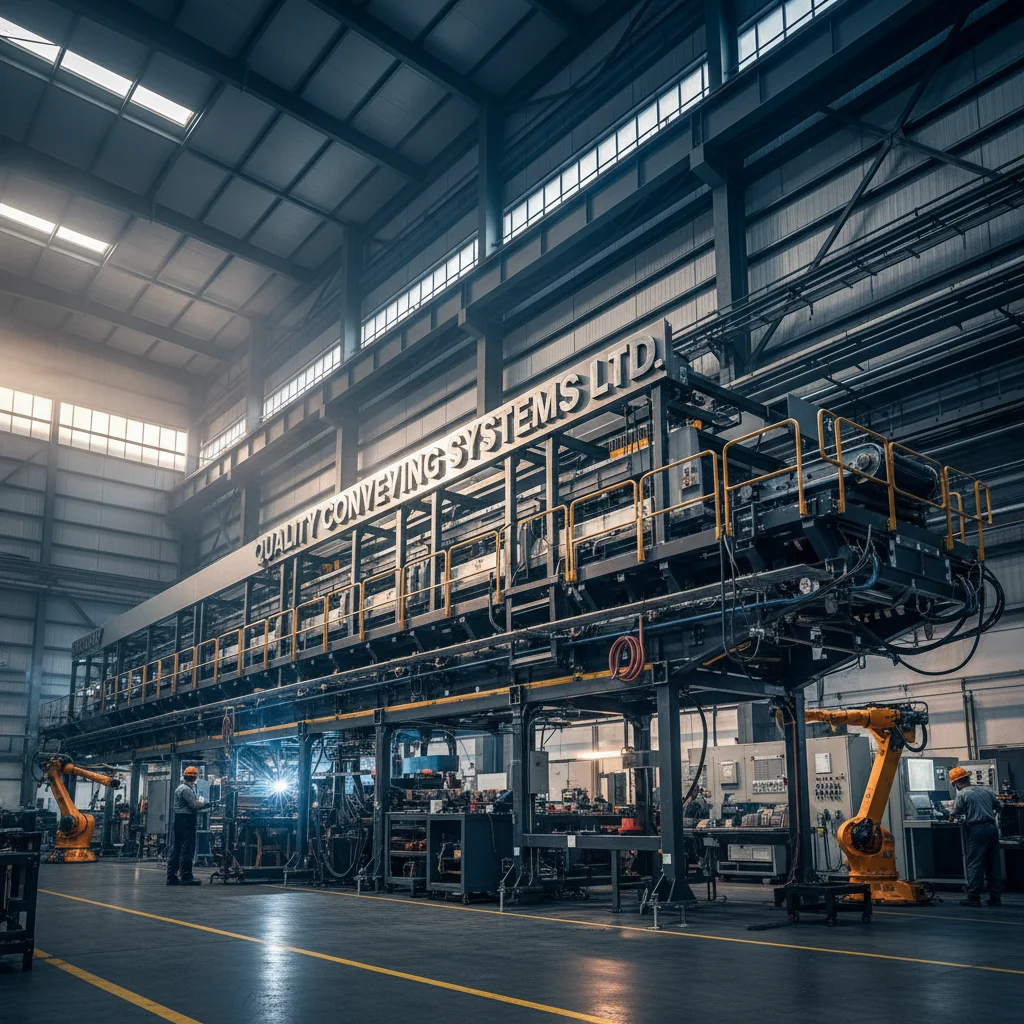
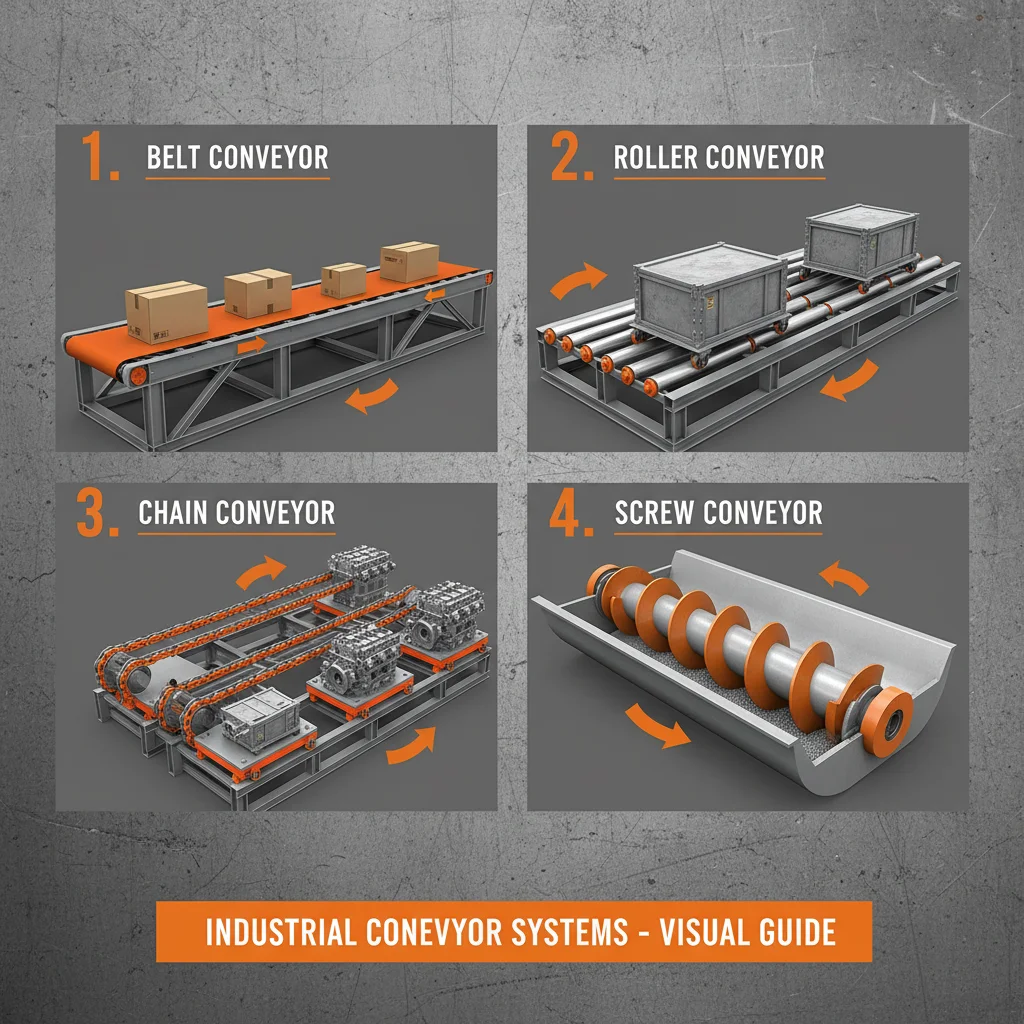
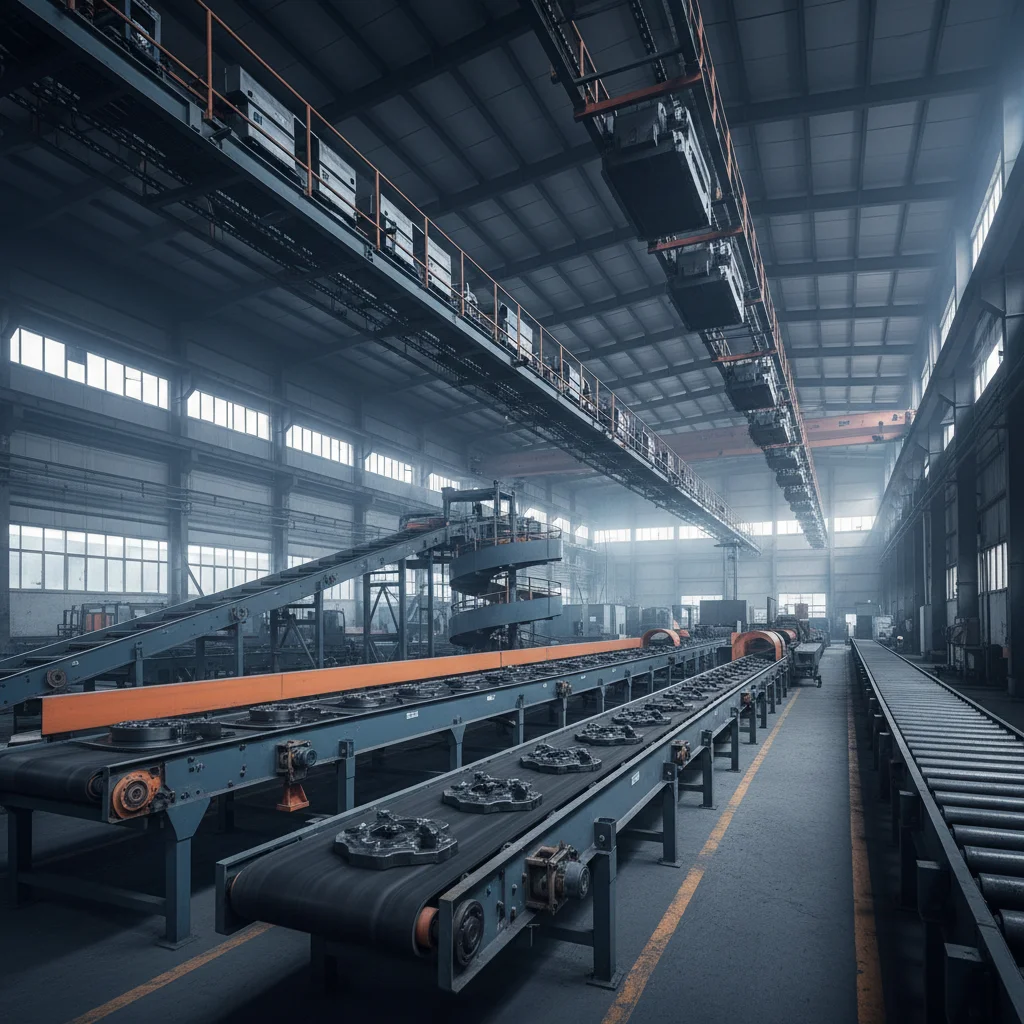
Look, conveyor belt system manufacturers… it's a world, really. Been running around factories all year, you see things. The biggest shift lately? Everyone’s screaming for modularity, customization, and, strangely, quieter operation. It used to be all about brute force, how much weight can this thing move. Now it's, “Can it move it without waking the neighbors?” Makes things interesting.
And the integration with automation? Forget about it. Sensors everywhere, PLCs talking to the belts, everything’s ‘smart’ now. You’d think it'd be smoother, but honestly, debugging those systems on a dusty factory floor is a special kind of hell. Lots of finger-pointing.
The demand is up, globally. I was reading a report, some UN thing, about how crucial these are for food distribution in developing countries, but also for the big e-commerce warehouses popping up everywhere. Seems simple enough, but it’s a surprisingly complex supply chain just to get the parts.
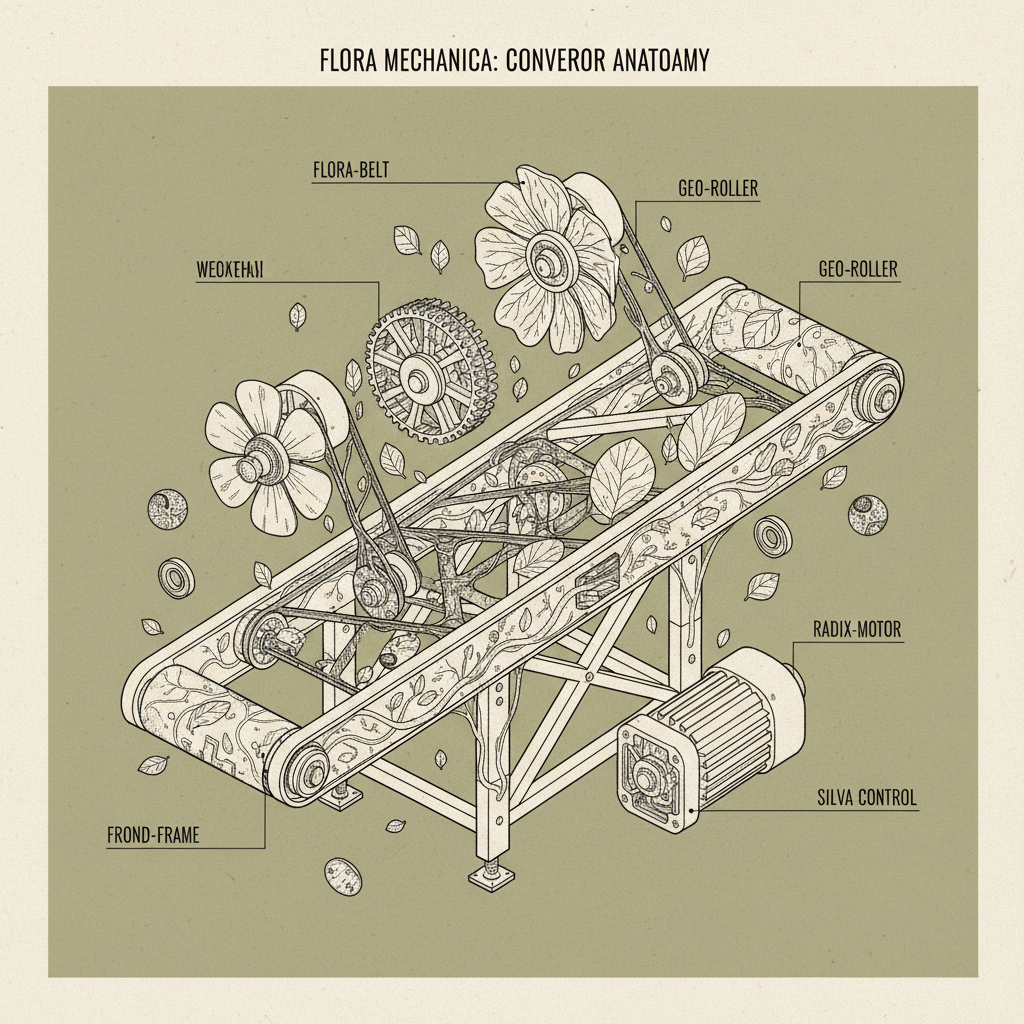
The Ever-Changing Landscape of conveyor belt system manufacturers
To be honest, it’s not just about moving stuff from A to B anymore. It's about data. Tracking everything – weight, speed, even vibrations. I encountered this at a food processing plant last time, and they were obsessed with tracing every single apple. Insane, right? But they said it was for quality control. Anyway, I think the big manufacturers are pivoting towards offering complete solutions, not just the belts themselves. Software, maintenance contracts, the whole nine yards.
And the sustainability push is real. Everyone’s asking about energy efficiency, recyclable materials… it's getting tricky.
Design Pitfalls: What to Watch Out For
Have you noticed how often people underestimate the impact of debris? Seriously, a little bit of grit can bring a whole line to a halt. You gotta design for the worst case scenario. Also, the transition points – where the belt changes direction, or transfers load – those are always the weak spots. And the tension… getting that right is critical. Too tight, and you burn out the motor. Too loose, and everything sags. It’s a balancing act.
Another thing, people get hung up on maximizing throughput, but forget about maintenance access. You need to be able to get in there and clean things, replace parts. Otherwise, you’re just setting yourself up for expensive downtime.
And don’t even get me started on underestimated load capacities. I saw a system designed for 50kg boxes trying to handle 75kg. Predictably, it didn't end well.
Materials Matter: Beyond the Spec Sheet
The belts themselves… PVC is still king for a lot of applications. Smells kinda… plasticky, but it’s durable and relatively cheap. Then you have polyurethane, which is more abrasion-resistant, and rubber, for really heavy-duty stuff. But rubber gets sticky in the heat, you gotta watch that. I've spent hours scraping solidified goo off rubber belts. Trust me, it's not a fun afternoon.
The frames… steel is the obvious choice, but aluminum’s gaining ground, especially where weight is a concern. And the rollers? Ceramic is becoming popular, because it's smoother and lasts longer than steel. But ceramic's brittle, so you gotta be careful with impact loads. It’s always a trade-off.
Honestly, the feel of the material tells you a lot. A good belt should be flexible, but not flimsy. It should have a bit of weight to it, feel solid. You learn to recognize quality just by touching it.
Real-World Testing: Stressing the System
Lab tests are fine, but they don’t tell the whole story. You need to see how these things perform in a real environment. We usually set up a test rig, load it with actual product, and run it 24/7 for a week, minimum. Simulate worst-case scenarios – temperature swings, humidity, dust, vibrations.
We also do drop tests. Just… dropping stuff onto the belt from different heights. Sounds barbaric, but it reveals a lot about the impact resistance. Strangely enough, the guys in quality control love the drop tests.
Conveyor Belt System Manufacturers Component Failure Rates
How They're Actually Used (It's Not Always Pretty)
You design a system for a specific purpose, but then you see how people actually use it. Sometimes they overload it. Sometimes they try to run things that are completely incompatible. Sometimes they just… abuse it. It's humbling.
I've seen guys using conveyor belts as makeshift ramps for forklifts. Don't ask.
The Good, The Bad, and The Customizable
The advantages? Efficiency, obviously. Reduced labor costs. Increased throughput. But the disadvantages… maintenance. Downtime. And the initial investment can be significant. They're not cheap, let me tell you.
But they can be customized. We had a client, a small bakery, who wanted a system that could gently handle delicate croissants. We ended up using a special foam-padded belt and a variable-speed motor. It wasn't cheap, but it solved their problem. It's about finding the right solution for the specific need.
Later… Forget it, I won't mention the customer who wanted a conveyor belt that could sort Skittles by color.
A Real-Life Case: Shenzhen and the Saga
Last month, that small boss in Shenzhen who makes smart home devices insisted on changing the interface to for all the control panels on his conveyor line. Said it was “future-proof.” I tried to explain that the existing USB-A connections were perfectly adequate and much cheaper to maintain, but he wouldn’t listen. He wanted “sleek and modern.”
So, we made the change. And within a week, half the control panels were malfunctioning because the connectors were getting bent and broken by the factory workers. Turns out, they weren't used to being gentle with those tiny connectors. Cost him a fortune in repairs and downtime. Lesson learned, I guess.
Anyway, I think the point is, sometimes the simplest solution is the best.
Summary of Key Design Considerations for conveyor belt system manufacturers
| Component |
Critical Factor |
Potential Issue |
Mitigation Strategy |
| Belt Material |
Abrasion Resistance |
Premature Wear |
Select polyurethane or reinforced PVC |
| Motor Control |
Speed Regulation |
Product Damage |
Implement Variable Frequency Drive (VFD) |
| Roller Assemblies |
Bearing Life |
Increased Friction |
Use sealed, self-lubricating bearings |
| Frame Integrity |
Structural Support |
Belt Sag & Misalignment |
Reinforce with gussets and proper bracing |
| Sensor Accuracy |
Object Detection |
Missed Counts |
Calibrate Sensors & Filter Noise |
| Transition Points |
Smooth Transfer |
Product Drop/Damage |
Use Transfer Rollers & Guard Rails |
FAQS
Honestly? Underestimating the weight of the product. They always go for the cheapest option, thinking it’ll handle the load, and then it fails. Always, always overestimate. It’s cheaper in the long run to spend a little more upfront than to deal with constant breakdowns and repairs. I’ve seen it a hundred times. And don't forget about the impact forces – a box dropping onto a belt is very different than a gently placed item.
Crucial. Absolutely crucial. People treat these things like they're invincible, but they're not. Regular cleaning, lubrication, belt tracking adjustments… it all adds up. Ignoring maintenance is a fast track to catastrophic failure. A little preventative care can save you a lot of headaches and money. I recommend a scheduled maintenance checklist and sticking to it religiously.
You absolutely can. We’ve done it for everything from delicate pastries to oddly shaped metal castings. It just depends on the application. We can modify belt materials, add specialized guides, adjust speeds, and even incorporate custom sensors. It’s not always cheap, but it’s often the only way to get the job done right. The key is to clearly define your requirements.
That’s a loaded question. It depends on so many factors: the materials, the load, the operating environment, the maintenance… a well-maintained belt in a clean environment could last 10 years or more. But one that’s constantly overloaded and neglected might only last a year. It really varies. I'd estimate a realistic lifespan of 5-7 years with proper care.
In the long run, absolutely. Modern variable frequency drives (VFDs) and energy-efficient motors can significantly reduce power consumption. The initial investment is higher, but the savings on your electricity bill will pay for it eventually. Plus, it’s good for the environment, which is always a plus these days. You gotta think about the total cost of ownership, not just the upfront price.
Start simple. Check the power supply, the motor, the belt tracking. Look for obvious signs of damage or wear. If you're not sure, call a professional. Don't try to fix something you don't understand. Safety first. And always disconnect the power before doing any maintenance. Seriously. I’ve seen too many accidents happen because people skipped that step.
Conclusion
So, conveyor belt system manufacturers… it’s more than just rubber and rollers. It's about understanding the application, choosing the right materials, designing for reliability, and providing proper maintenance. It’s a complex field, and there’s always something new to learn. But at the end of the day, it’s all about moving things efficiently and safely.
Ultimately, whether this thing works or not, the worker will know the moment he tightens the screw. If it feels solid, if it runs smooth, if it does the job… then you’ve done your job right. That's what really matters. And if you need a reliable system, check out JT Conveyor.