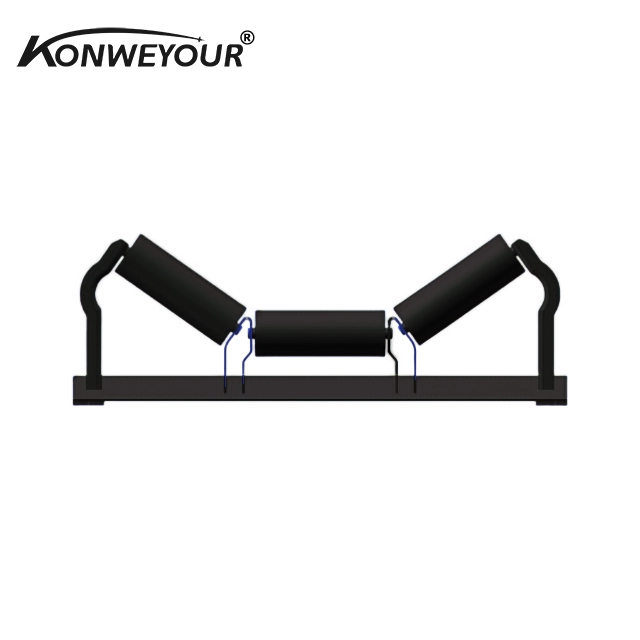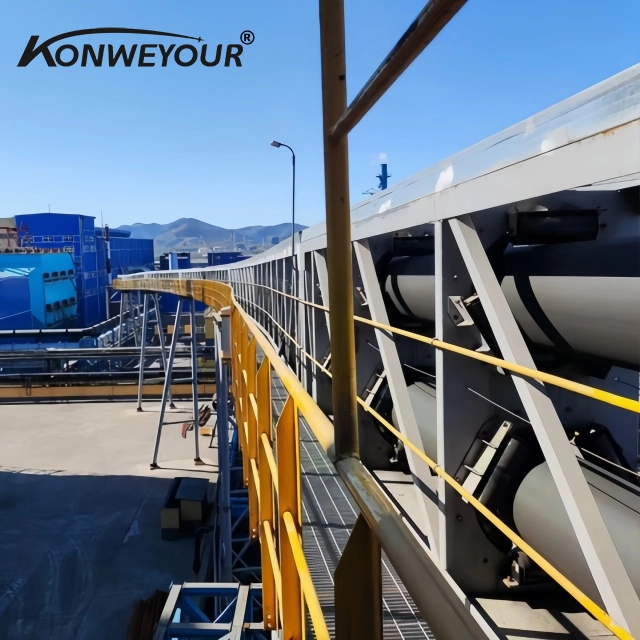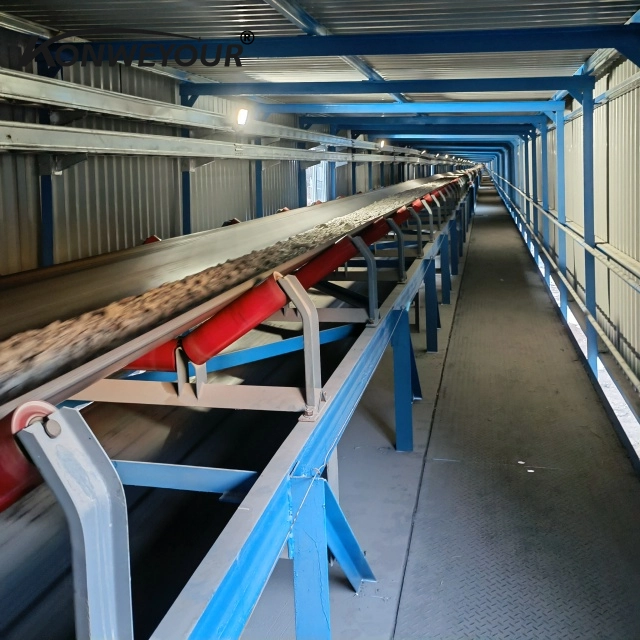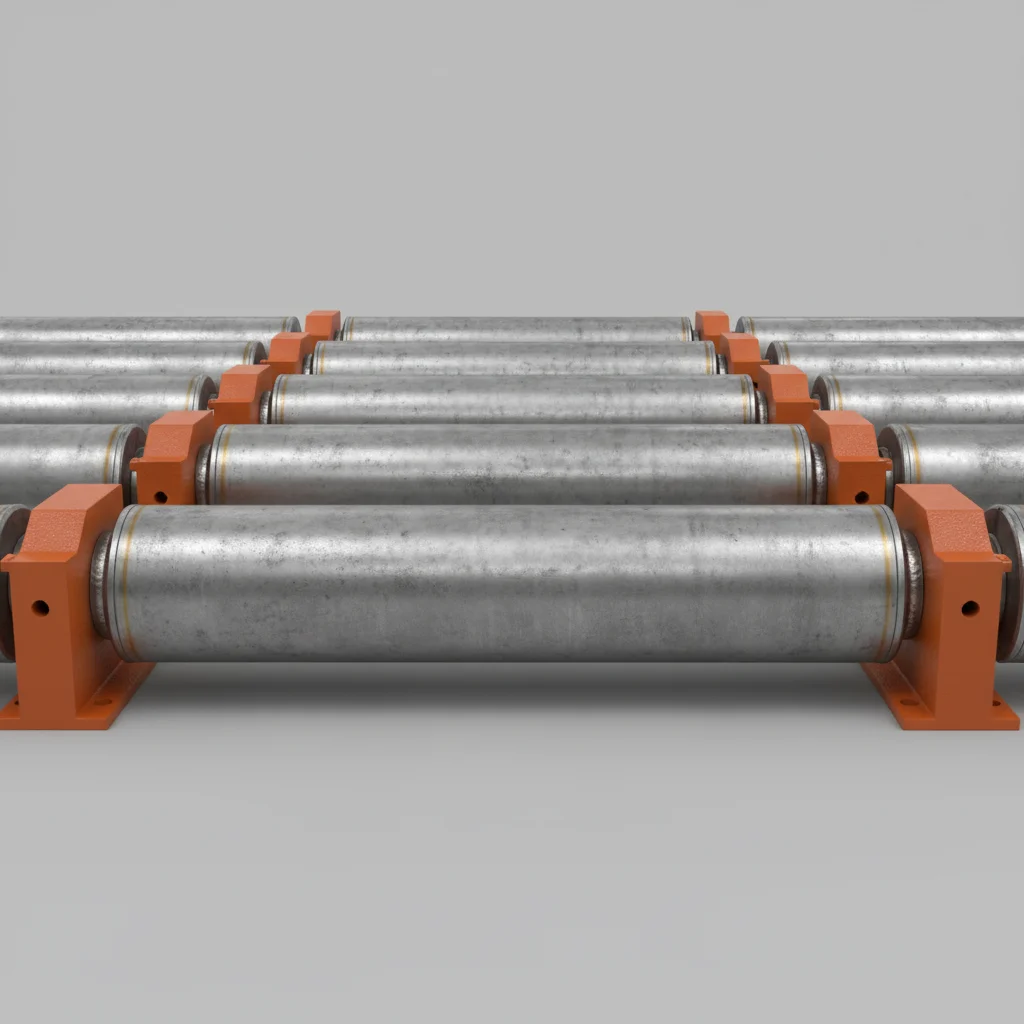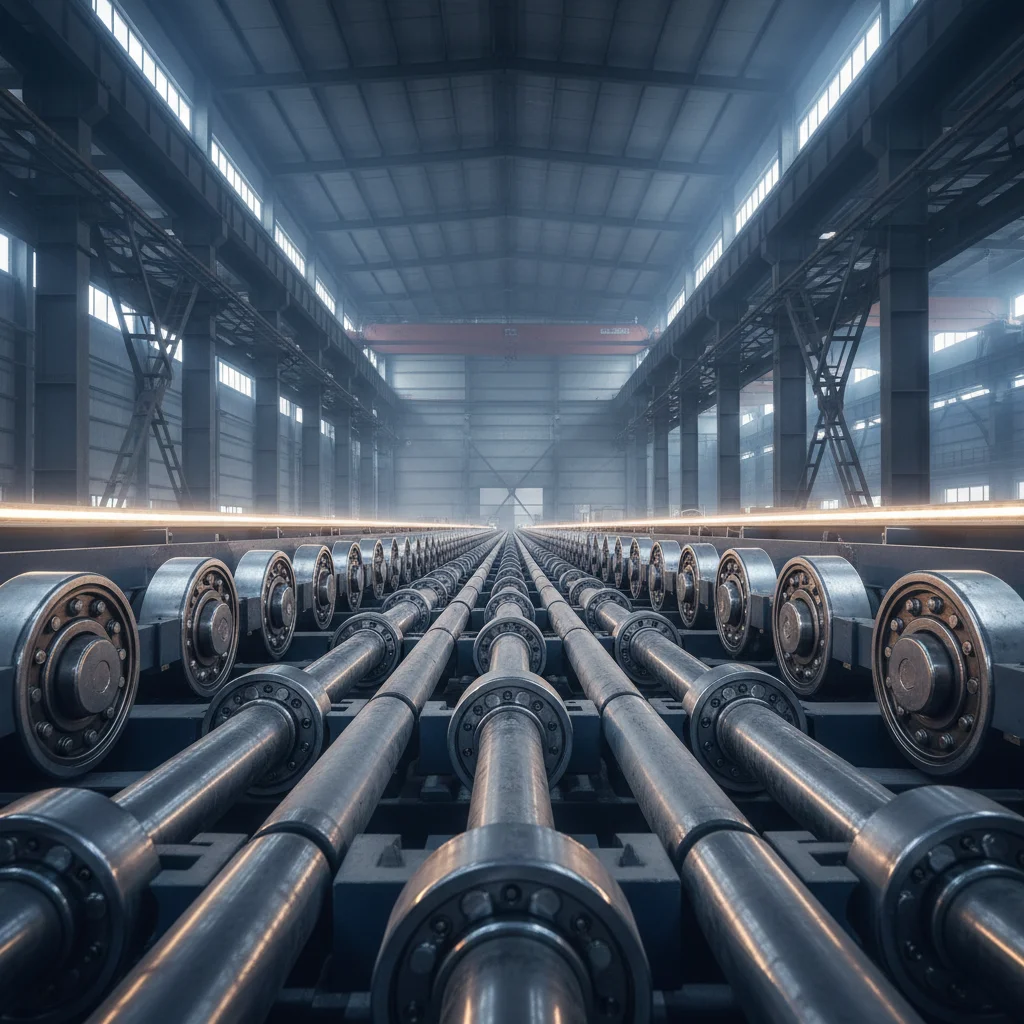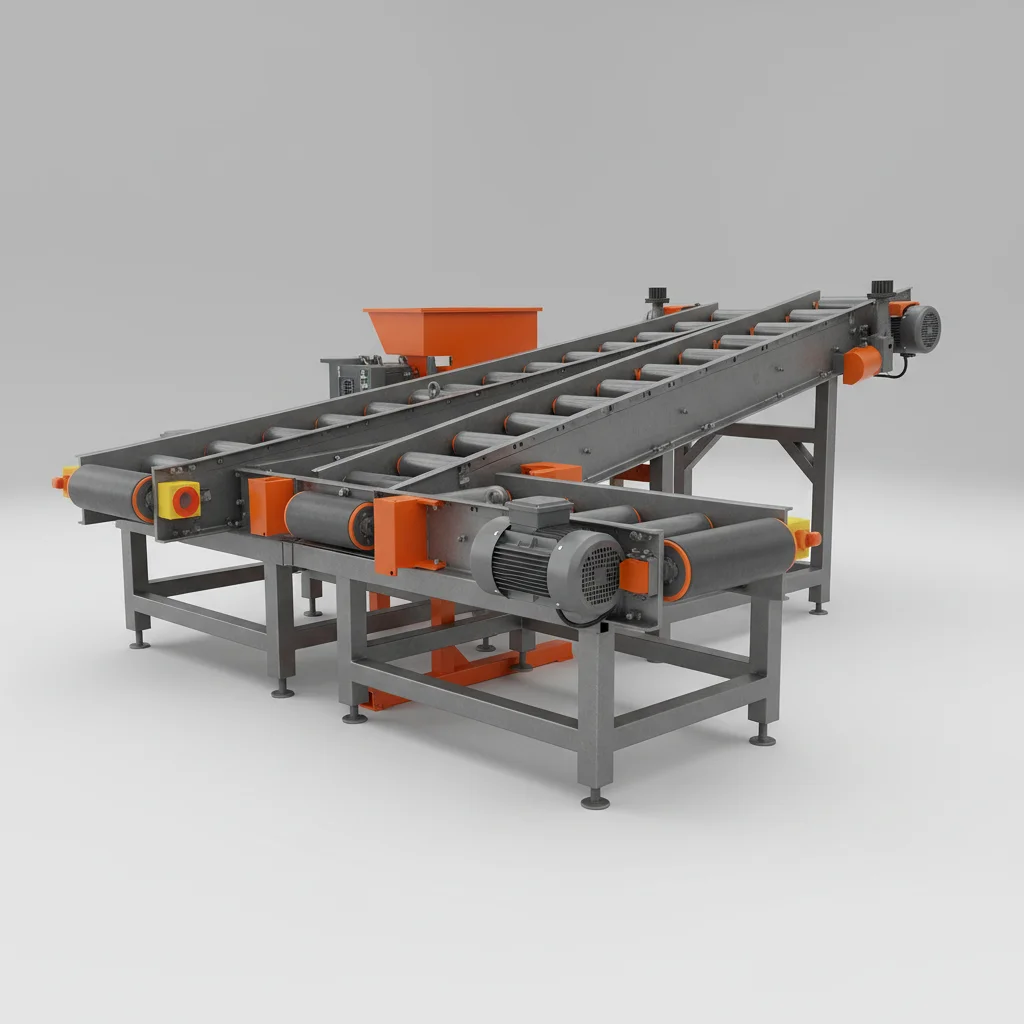
Steel conveyor rollers are essential components in material handling systems across a vast range of industries. From manufacturing and logistics to mining and agriculture, these rollers facilitate the smooth and efficient movement of goods. Choosing the right steel conveyor rollers is crucial for optimizing performance, minimizing downtime, and ensuring a safe working environment. This article provides an in-depth look at steel conveyor rollers, covering their types, applications, benefits, and key considerations when making a purchase. JT Conveyor specializes in providing high-quality steel conveyor rollers tailored to your specific needs.
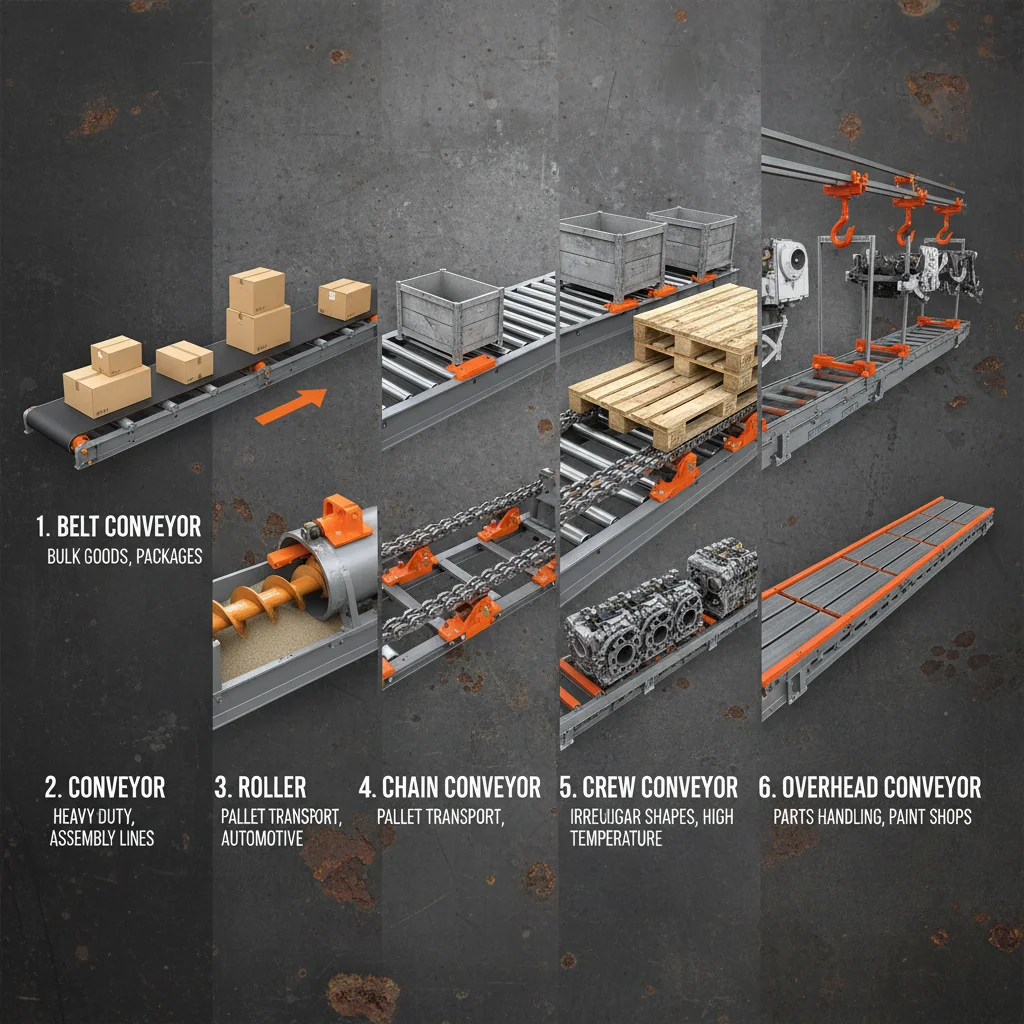
Conveyor systems are the backbone of modern material handling, impacting everything from manufacturing and logistics to agriculture and even humanitarian aid. They aren’t just belts moving boxes; they’re complex networks engineered to optimize flow, reduce labor costs, and improve safety. Understanding the different conveyor types and applications is critical for anyone involved in project planning, operational efficiency, or supply chain management. Globally, the market for conveyor systems is substantial – estimated at over $40 billion annually and growing steadily as industries automate and demand faster, more reliable movement of goods.
Conveyor material handling equipment plays a vital role in modern logistics and manufacturing, forming the backbone of efficient material flow across diverse industries. From simple belt conveyors to complex automated systems, this equipment streamlines operations, reduces labor costs, and enhances overall productivity. The global reliance on efficient supply chains makes understanding and optimizing conveyor systems crucial for businesses aiming to remain competitive in today’s fast-paced market. The significance of conveyor material handling equipment extends beyond mere industrial applications. It's instrumental in humanitarian efforts, such as disaster relief, where rapid deployment of supplies is critical. Furthermore, advancements in conveyor technology are directly impacting sustainability initiatives by optimizing energy consumption and minimizing waste. Efficient material handling reduces damage and improves resource utilization, contributing to a more environmentally responsible approach.