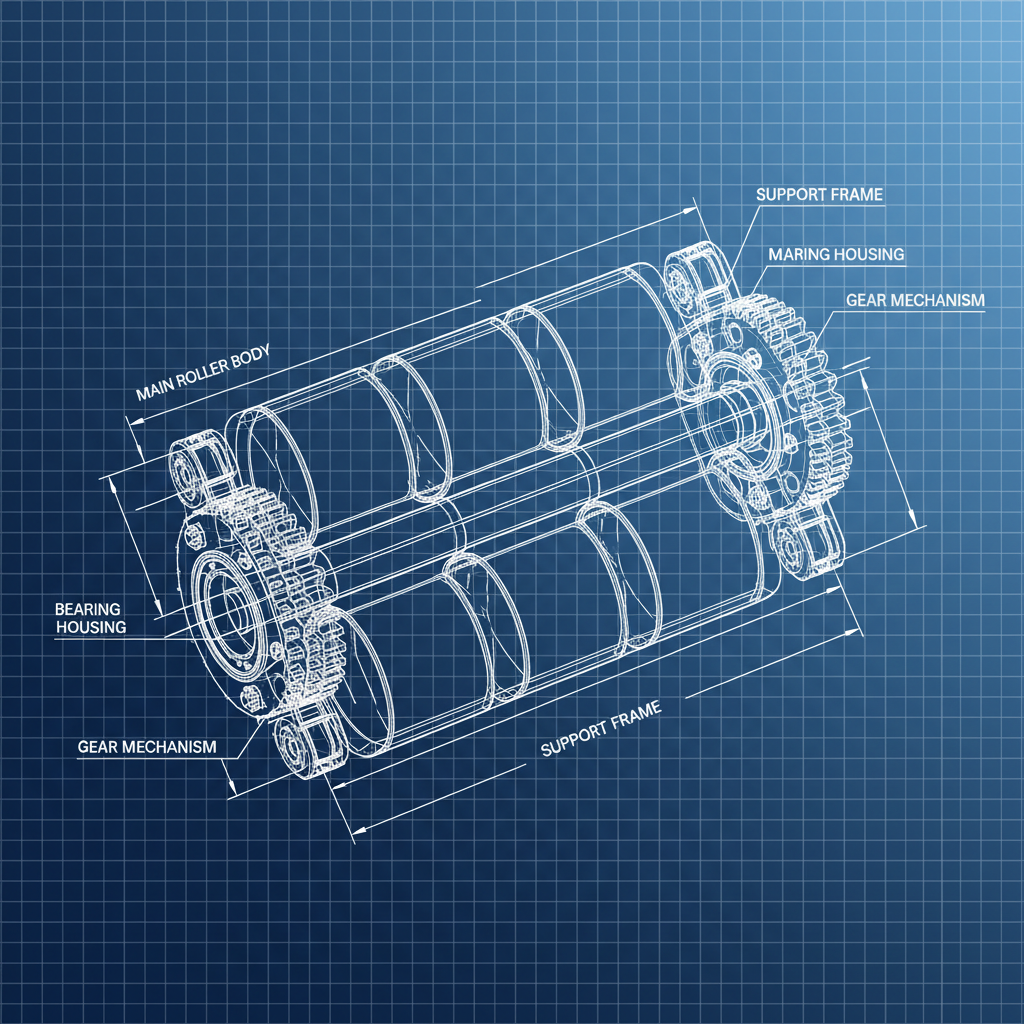
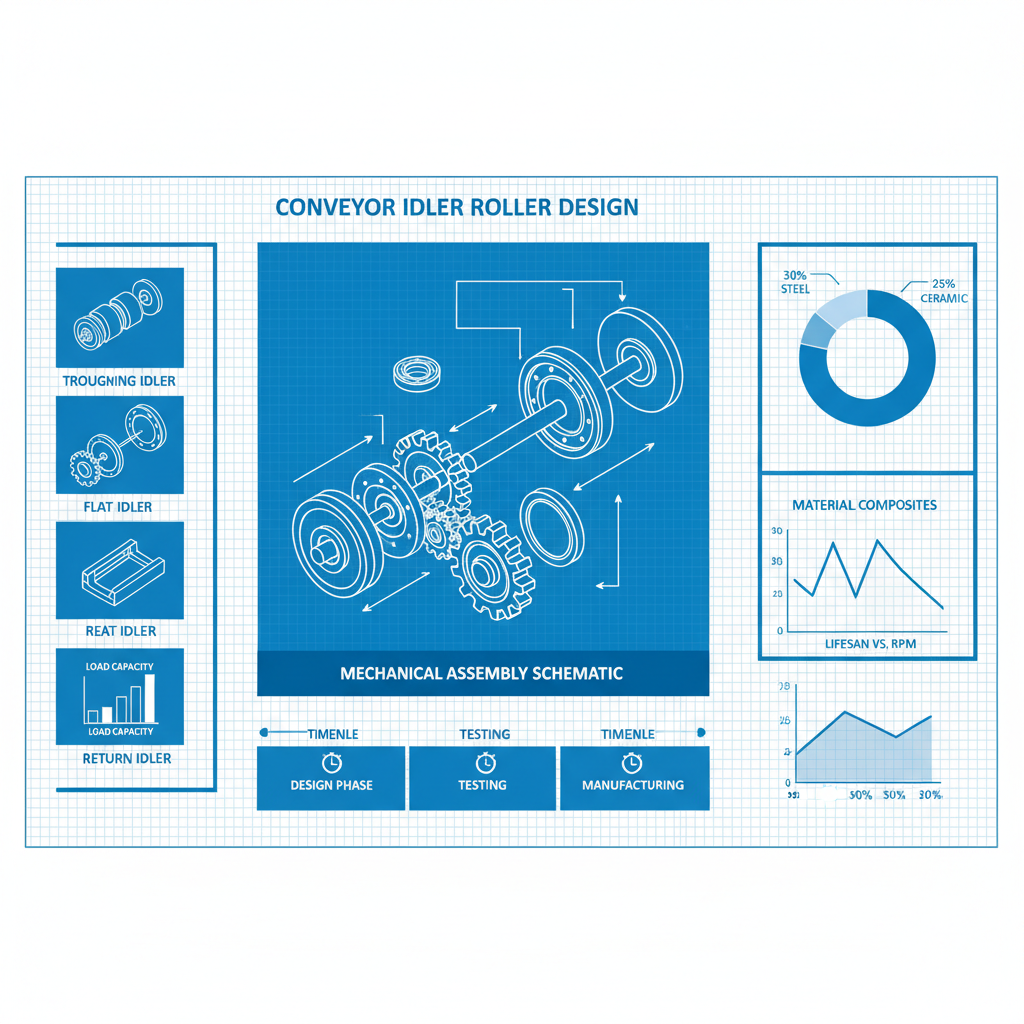
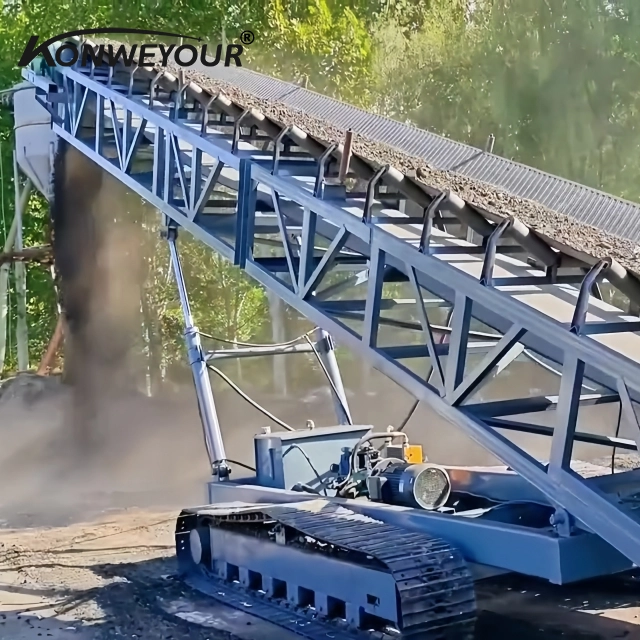
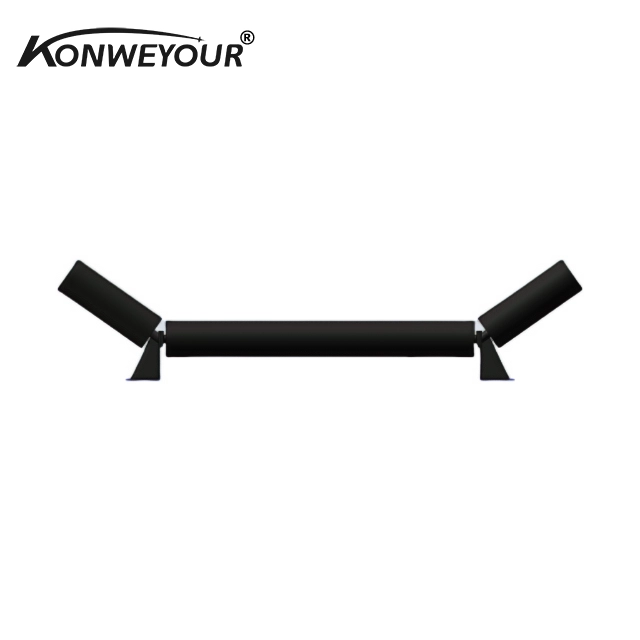
Conveyor Idler Roller Design: A Comprehensive Guide
The efficient operation of a conveyor system hinges significantly on the quality and design of its idler rollers. These seemingly simple components play a critical role in supporting the belt, reducing friction, and ensuring smooth material flow. This article will delve into the intricacies of conveyor idler roller design, exploring various types, materials, considerations for selection, and advancements in the field. Understanding these factors is vital for optimizing conveyor performance and minimizing downtime. Choosing the correct idler roller design can significantly extend the lifespan of your conveyor system.
Types of Conveyor Idler Rollers
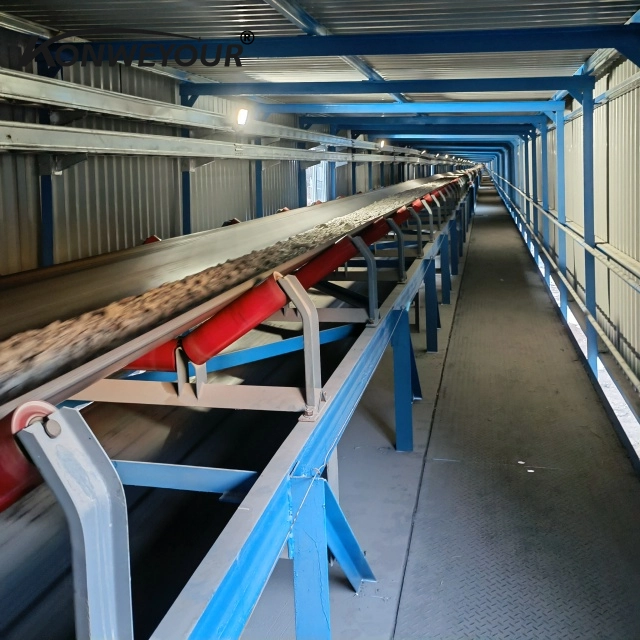
Conveyor idler rollers come in several designs, each suited for specific applications and load conditions. The primary types include:
- Wing Idlers: Feature wings attached to the roller to center the belt and prevent it from wandering.
- Return Idlers: Support the return strand of the conveyor belt, typically with a simpler design.
- Training Idlers: Specifically designed to steer the belt and correct misalignment.
- Impact Idlers: Reinforced to withstand the impact of heavy materials being loaded onto the belt.
- Spiral Idlers: Used for cleaning the belt, removing material buildup.
The appropriate selection depends on factors such as belt width, material type, and the conveyor's operating environment. JT Conveyor offers a wide range of idler roller types to suit diverse industrial needs.
Key Considerations: Correct idler roller selection ensures optimal belt tracking, reduces wear, and prevents material spillage.
Materials Used in Idler Roller Construction
The materials used in idler roller design directly impact their durability and performance. Common materials include:
- Steel: Provides high strength and load-bearing capacity, commonly used for roller shells and frames.
- Stainless Steel: Offers excellent corrosion resistance, ideal for harsh environments.
- Polymer: Used for coating rollers to reduce friction and noise, and for entire rollers in lighter-duty applications.
- Cast Iron: A traditional material for idler frames due to its rigidity and damping characteristics.
The selection of materials should consider the type of material being conveyed, the operating temperature, and the potential for exposure to corrosive substances. JT Conveyor utilizes high-quality materials to ensure long-lasting performance.
Material Selection Benefits:
• Increased durability and lifespan
• Reduced maintenance costs
• Improved performance in harsh environments
• Optimized for specific material handling needs
Conveyor Idler Roller Design: Key Considerations for Optimal Performance
Several factors are crucial during the idler roller design process. These include:
- Load Capacity: Rollers must be able to withstand the maximum load they will encounter.
- Belt Speed: Higher belt speeds may require rollers with lower friction characteristics.
- Material Characteristics: Abrasive materials necessitate wear-resistant roller coatings.
- Environmental Conditions: Corrosive environments demand corrosion-resistant materials.
- Maintenance Accessibility: Rollers should be easily accessible for inspection and replacement.
Careful consideration of these factors ensures the selected rollers will deliver reliable performance and minimize downtime. JT Conveyor’s engineers can assist in selecting the optimal idler roller solution for your specific application.
| Parameter |
Standard Idler |
Impact Idler |
| Load Capacity (Max) |
500 kg |
800 kg |
| Shaft Diameter |
40 mm |
50 mm |
| Roller Length (Typical) |
300-1000 mm |
400-1200 mm |
| Bearing Type |
Sealed Ball Bearing |
Heavy-Duty Tapered Roller Bearing |
Advancements in Conveyor Idler Roller Technology
Recent advancements in idler roller design focus on improving efficiency and reducing maintenance. These include:
- Smart Rollers: Equipped with sensors to monitor bearing temperature, vibration, and load, allowing for predictive maintenance.
- Low-Friction Bearings: Designed to minimize energy consumption and extend roller life.
- Sealed Bearing Systems: Provide superior protection against contamination, reducing the need for frequent lubrication.
- Automated Lubrication Systems: Ensure consistent lubrication, optimizing roller performance.
These innovations contribute to reduced operating costs, increased uptime, and improved overall conveyor system performance. JT Conveyor stays at the forefront of these advancements, offering cutting-edge solutions to our clients.
Conclusion: Choosing the Right Idler Roller for Your Needs
Selecting the appropriate conveyor idler roller design is paramount to ensuring efficient and reliable material handling. By carefully considering factors such as load capacity, material type, environmental conditions, and incorporating the latest technological advancements, you can optimize conveyor performance and minimize downtime. JT Conveyor offers a comprehensive range of high-quality idler rollers and expert guidance to help you find the perfect solution for your specific application.
Frequently Asked Questions (FAQs)
What is the typical lifespan of a conveyor idler roller?
The lifespan of a conveyor idler roller can vary significantly depending on several factors, including the load it carries, the type of material being conveyed, the operating environment, and the quality of the roller itself. Generally, a well-maintained idler roller can last between 3 to 5 years. However, in harsh environments or with heavy loads, the lifespan may be shorter. Regular inspection and preventative maintenance, such as lubrication and bearing checks, can extend the life of the rollers. Factors like corrosion, impact damage, and bearing failure are common causes for replacement. JT Conveyor provides durable rollers designed for long-lasting performance.
How often should idler rollers be lubricated?
The frequency of lubrication depends on the operating conditions and the type of bearings used in the idler rollers. Generally, sealed bearings require less frequent lubrication than open bearings. As a rule of thumb, idler rollers with grease fittings should be lubricated every 3-6 months, or more frequently in dusty or harsh environments. Proper lubrication reduces friction, prevents wear, and extends the lifespan of the bearings. Over-lubrication can also be detrimental, as it can attract dirt and contaminants. JT Conveyor recommends following the manufacturer's guidelines for lubrication intervals.
What are the signs that an idler roller needs to be replaced?
Several signs indicate that an idler roller needs to be replaced. These include excessive noise or vibration, difficulty rotating, visible damage to the roller shell or bearings, belt misalignment, and increased energy consumption. If you notice any of these issues, it's crucial to inspect the rollers and replace any that are damaged or worn. Continuing to operate with faulty rollers can lead to further damage to the conveyor system and potential safety hazards. JT Conveyor offers a range of replacement rollers designed for quick and easy installation.
How do I choose between a steel and stainless steel idler roller?
The choice between steel and stainless steel idler rollers depends on the operating environment. Steel rollers are suitable for most applications where corrosion is not a significant concern. However, if the conveyor system is exposed to corrosive materials, moisture, or harsh chemicals, stainless steel rollers are the preferred option. Stainless steel offers superior corrosion resistance, ensuring a longer lifespan and reduced maintenance costs in challenging environments. While stainless steel rollers are typically more expensive than steel rollers, the long-term benefits often outweigh the initial cost. JT Conveyor can help you select the best material for your specific application.