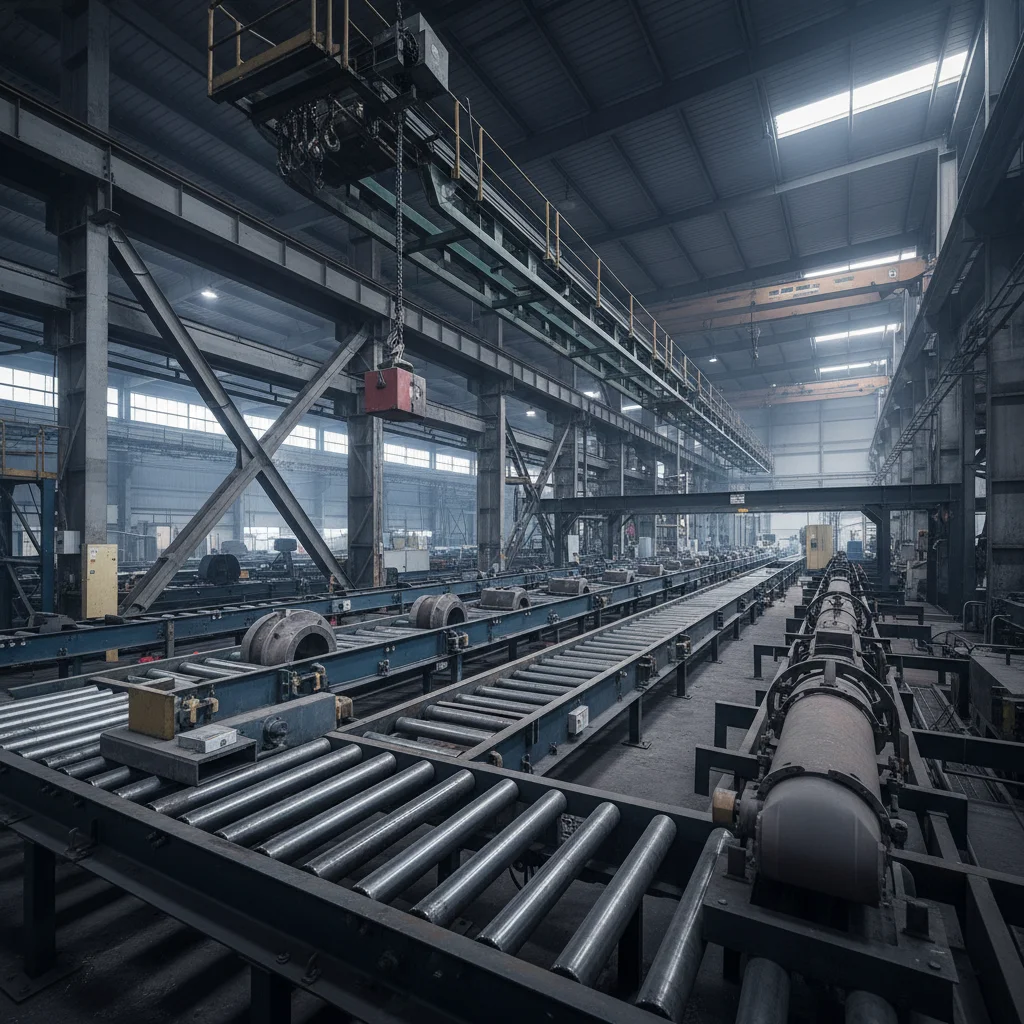
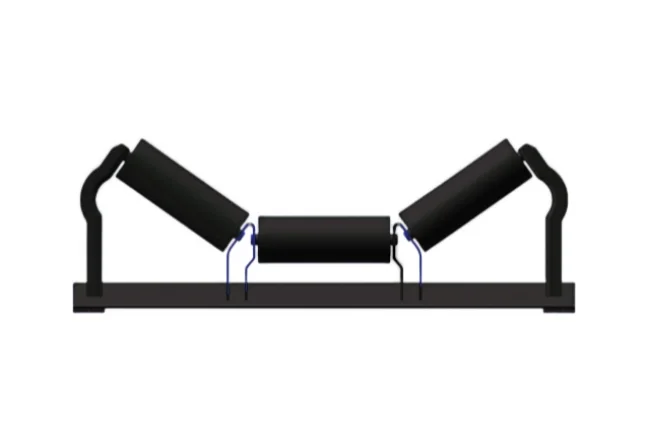
Having spent over a decade in the industrial equipment sector, it’s fascinating to see how vibrating conveyor parts quietly power so many manufacturing setups behind the scenes. Honestly, these components don’t always get the spotlight they deserve, but when you start digging, you realize how essential—and sophisticated—they really are.
Vibrating conveyors help transport bulk materials by shaking or vibrating a chute or tray, moving everything onward smoothly. The trick lies in the specialized parts: springs, motors, exciter shafts, and the frame that all work together to keep materials flowing while minimizing stress. Oddly enough, the quality and exact makeup of these parts can make or break a system’s efficiency and lifespan.
I remember working with a client who had persistent clogging issues on their vibrating feeder. After swapping out some worn springs and upgrading the motor to a slightly higher frequency model, not only did throughput improve, but maintenance intervals stretched out noticeably. It felt like the equipment was finally “breathing” properly—less harsh jolts, more controlled vibration.
Over the years, I’ve noticed the industry moving towards more modular, customizable vibrating conveyor parts. Manufacturers are focusing on lightweight but durable materials like high-tensile steel alloys and advanced elastomers for springs, which help reduce noise and extend durability. Plus, fine-tuning the stroke length and frequency controls can accommodate a wider range of materials—from gritty aggregates to delicate powders.
Though every system needs its parts tailored, here’s a quick rundown of typical vibrating feeder components that most engineers pay close attention to:
| Component |
Material |
Function |
Typical Specs |
| Springs |
High-tensile steel or elastomer |
Absorb and return energy for vibration |
Coil diameter 12-20 mm, frequency 30-50 Hz |
| Exciter shaft |
Alloy steel |
Generates vibration through rotational eccentric mass |
Balanced to +/- 0.01 mm, 1000–1500 RPM |
| Drive motor |
Electric motor (typically AC) |
Powers the exciter at controlled speed |
0.5–5 HP, variable frequency drives possible |
| Feeder tray/frame |
Stainless or carbon steel |
Supports material and transmits vibration |
Custom sizes based on throughput and space |
Speaking of vendors, not all vibrating conveyor parts are created equal. From my conversations and field trials, a few key players stand out for durability, customization, and after-sales support. The comparison below sums up what I’ve gathered—helpful for anyone shopping around:
| Vendor |
Product Range |
Customization |
Lead Time |
Pricing |
| JT Conveyor |
Comprehensive parts & assemblies |
High, including bespoke sizes |
2–3 weeks |
Competitive |
| VibraTech |
Standardized parts mostly |
Limited, some modular options |
4–5 weeks |
Mid-range |
| Motive Components |
Wide, includes advanced materials |
Medium, some custom alloys |
3–4 weeks |
Higher-end |
It’s worth noting that the right choice often comes down to your specific application and tolerance for downtime. If you’re running a critical production line, investing in quality parts and fast support like those from JT Conveyor can save headaches down the road.
So, what's the takeaway? Vibrating conveyor parts may seem humble, but the better they are engineered and matched to your needs, the smoother your operation runs. It’s kind of a “set it and forget it” feeling when everything hums just right—only that hum is actually a finely tuned vibration. At the end of the day, those little details in parts design can mean fewer stoppages and longer machine life, which, frankly, every plant manager appreciates.
For anyone hoping to dive deeper or get a consultation on parts selection, reaching out to vendors like JT Conveyor can be a real game-changer.
References:
1. Industry Standards for Vibrating Conveyors, Bulk Material Handling Institute, 2022.
2. “Advances in Vibratory Feeder Design,” Engineering Journal, 2021.
3. Personal interviews with plant engineers across manufacturing sectors, 2019–2023.