Conveyor Belt Replacement Parts: What to Know Before You Buy
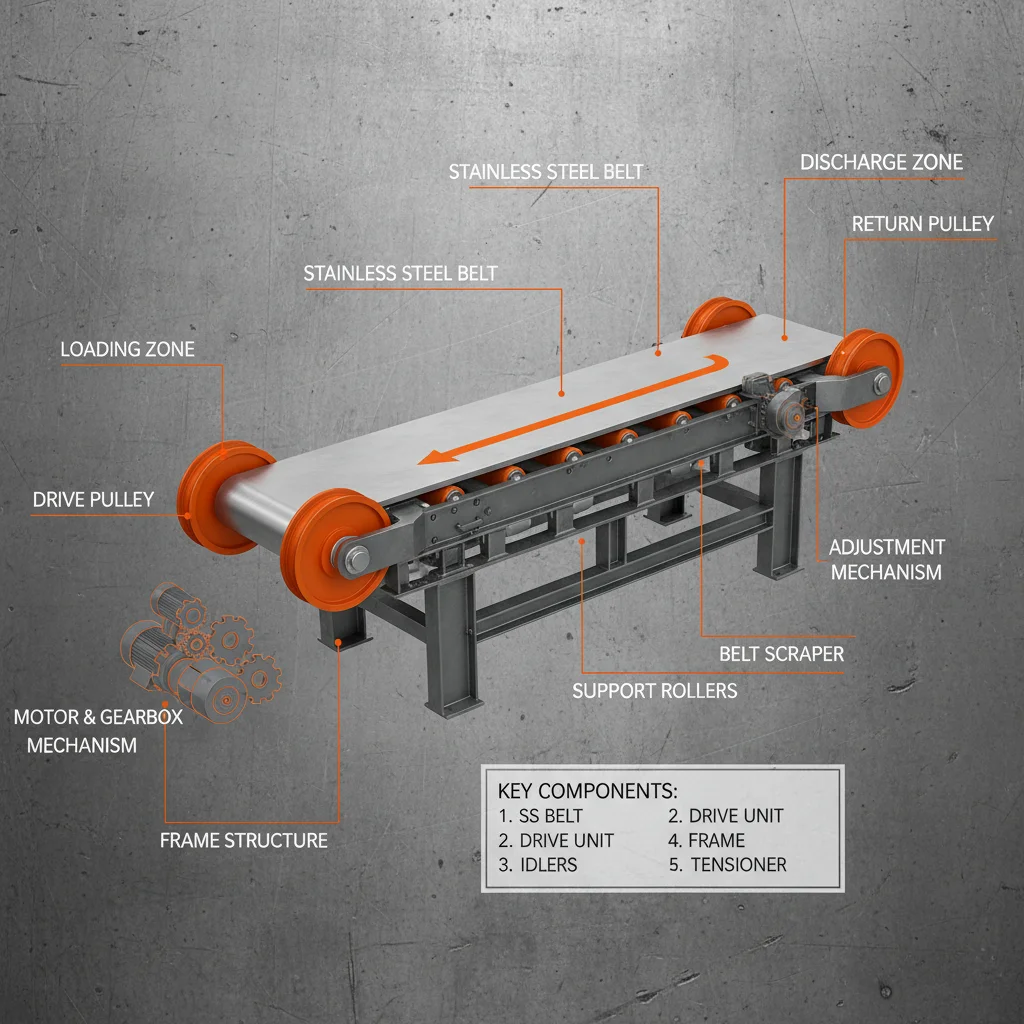
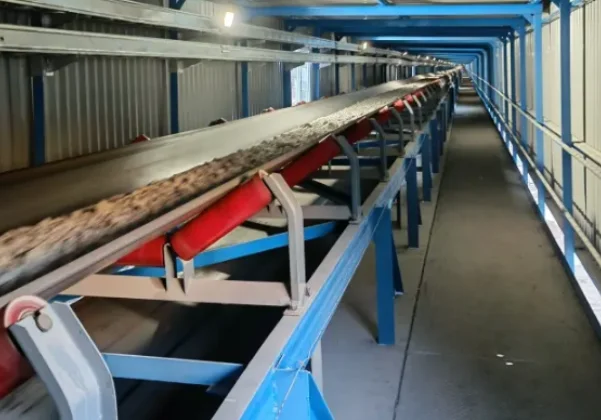
Having spent years around industrial equipment — particularly conveyor systems — I can say that when it comes to conveyor belt replacement parts, knowing your stuff can save you more than just money. Frankly, it’s about uptime, reliability, and sometimes even safety. Oddly enough, many plants overlook the fine details behind these parts, treating them as mere throwaway components. But in reality? They’re the heartbeat of your whole operation.
From my experience, the key drivers for selecting the right replacement parts include materials, design specs, and vendor reliability. Not just that — the way these parts are tested and customized can make a real difference out on the floor. It feels like, if you tuck into the details, you can spot those little nuances that separate “good enough” from “built to last.”
Why Material Choices Matter
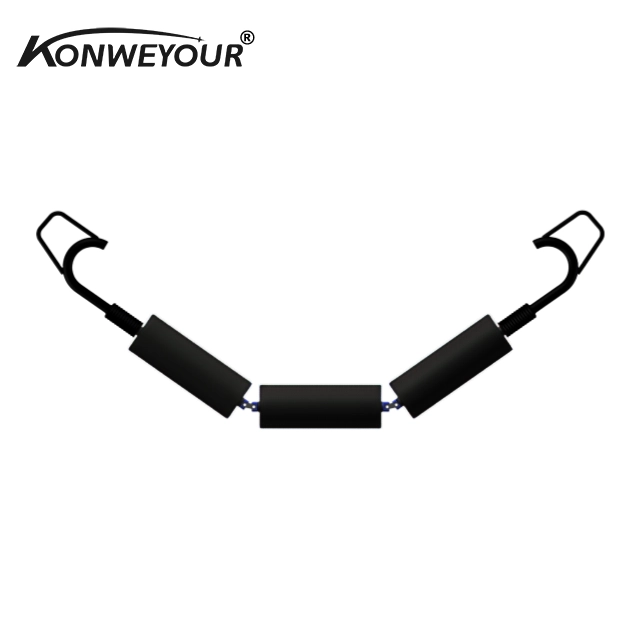
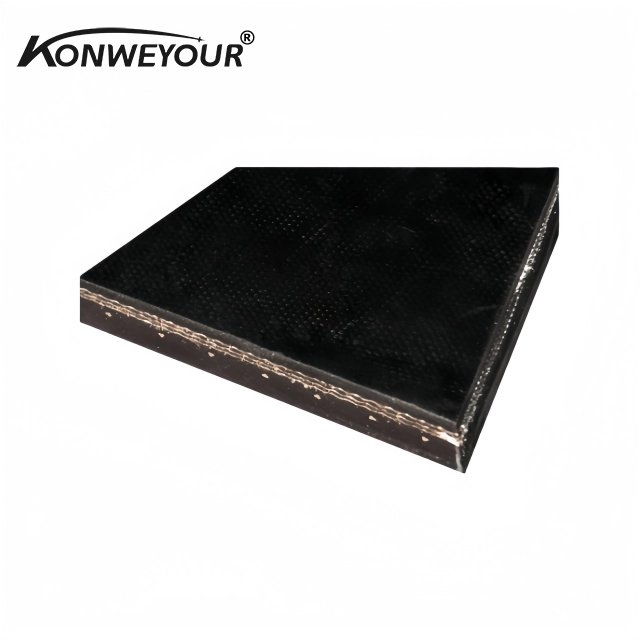
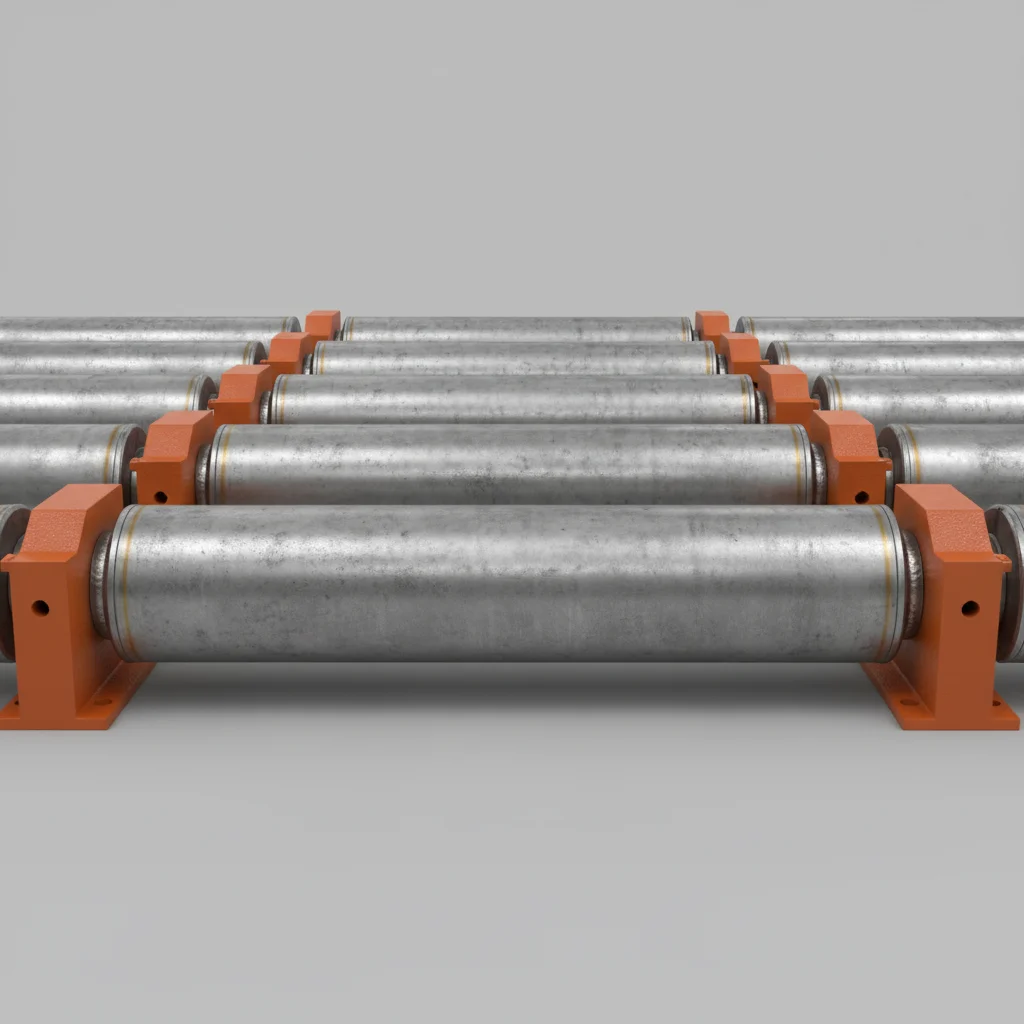
Most conveyor belts are made of rubber or PVC composites — but the replacement parts themselves, say pulleys, idlers, or conveyor rollers, come in choices ranging from stainless steel to engineered polymers. In dusty, abrasive environments, steel is king for durability, but polymer sleeves can reduce noise and maintenance. Many engineers I’ve talked to stress the importance of matching replacement components’ materials to the working conditions, which sounds obvious, but believe me, mismatches happen all the time and lead to premature failures.
Product Specifications at a Glance
| Product |
Material |
Diameter |
Load Capacity |
Typical Use |
| Steel Roller |
Carbon Steel |
4” - 15” |
Up to 1,500 lbs |
Heavy Materials |
| Polymer Sleeve |
UHMW-PE |
5” - 12” |
Up to 800 lbs |
Lightweight/Abrasive |
| Drive Pulley |
Stainless Steel |
6” - 20” |
Up to 2,000 lbs |
Power Transmission |
Vendor Comparison: What Sets JT Conveyor Apart?
| Feature |
JT Conveyor |
Competitor A |
Competitor B |
| Material Quality |
Premium Steel & UHMW-PE |
Standard Steel Only |
Mixed Grades |
| Customization Options |
Wide Range |
Limited |
None |
| Lead Time |
2-4 weeks |
3-6 weeks |
4-8 weeks |
| Warranty |
1-Year Full Replacement |
90 Days |
6 Months |
| Customer Support |
Dedicated Tech Team |
Standard Hours |
Email Only |
Customization truly stood out during one project I remember—a client running a quarry operation had unusually large rollers wearing out faster than expected. We worked with a vendor who adapted the sleeve thickness and material. That tweak extended their roller life by a good 30%, frankly saving hours of downtime every few months. Those are the kind of results that remind me: replacement parts are more than just spares; they’re a strategy.
In real terms, if you’re picking replacement components, I’d suggest thinking beyond price alone. Ask about manufacturing tolerances, materials traceability, and what testing each part undergoes. It’s a little nitpicky, maybe, but those questions often reveal a vendor’s professionalism. And at the end of the shift, a slower wear rate or quieter operation can make a real difference.
To wrap it up — if you’re in the market for conveyor belt replacement parts — consider quality, customization, and solid support just as seriously as specs and price. It’s a combination that usually pays off in the long haul.
References:
- Industry Materials Standards, Conveyor Equipment Manufacturers Association (CEMA), 2023.
- JT Conveyor Technical Datasheets, 2024.
- “How Quality Parts Affect Conveyor Uptime,” Industrial Maintenance Journal, Feb 2023.